Private Military Companies and Foreign Military Bases in Africa: Implications for African Security and Sovereignty
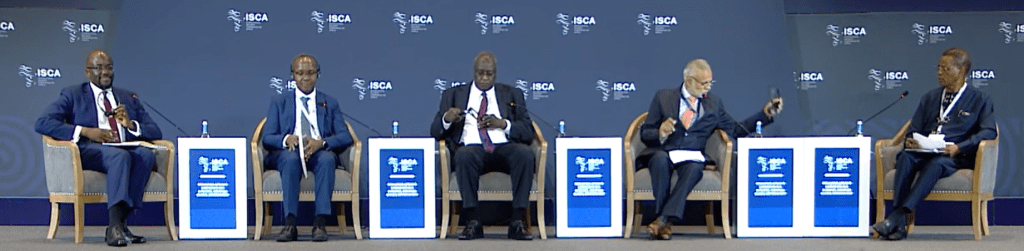
David Mpanga (Lawyer at AF Mpanga), Murithi Mutiga (Africa Programme Director, International Crisis Group), Dr Luka Biong Deng Kuol (Senior Research Fellow, Sudd Institute), Dr Ashraf Afzal (Lecturer, Loughborough University), and Lt Gen (Rtd) Daniel Sidiki Traore (Former Force Commander MUNISCA), Lt Gen (Rtd) Daniel Sidiki Traore (Former Force Commander MUNISCA) respectively.
The panel “Private Military Companies and Foreign Military Bases in Africa: Implications for African Security and Sovereignty” gathered senior military practitioners, policy scholars, and think tank leaders to address one of the continent’s most urgent—and contentious—security issues: the proliferation of private military companies (PMCs) and foreign military bases across Africa. Moderated by David Mpanga, the panel featured Lt Gen (Rtd) Daniel Sidiki Traore (Former Force Commander, MINUSCA), Dr Luka Biong Deng Kuol (Senior Research Fellow, Sudd Institute), Murithi Mutiga (Africa Programme Director, International Crisis Group), and Dr Ashraf Afzal (Lecturer, Loughborough University). Their conversation explored the drivers, risks, and implications of this evolving landscape and charted pathways towards African security sovereignty.
In his introductory remarks, the moderator framed the session in light of remarks by H.E. President Paul Kagame, who had warned against the outsourcing of security, urging that Africa’s peace and security “cannot and should not be outsourced.” The phenomenon under scrutiny—outsourcing security functions to foreign soldiers, contractors, and facilities—raises urgent questions regarding sovereignty, state capacity, legitimacy, and vulnerability to global power struggles.
Africa, as discussed, currently hosts dozens of foreign military bases (with Djibouti exemplifying the ‘hub’ model), while PMCs operate across conflict and resource zones providing training, logistics, infrastructure protection, and, increasingly, direct military engagement and influence operations. The panel emphasized that such arrangements are not simply imposed, but often reflect intentional choices by African states—prompting deeper reflection on local and global political economies.
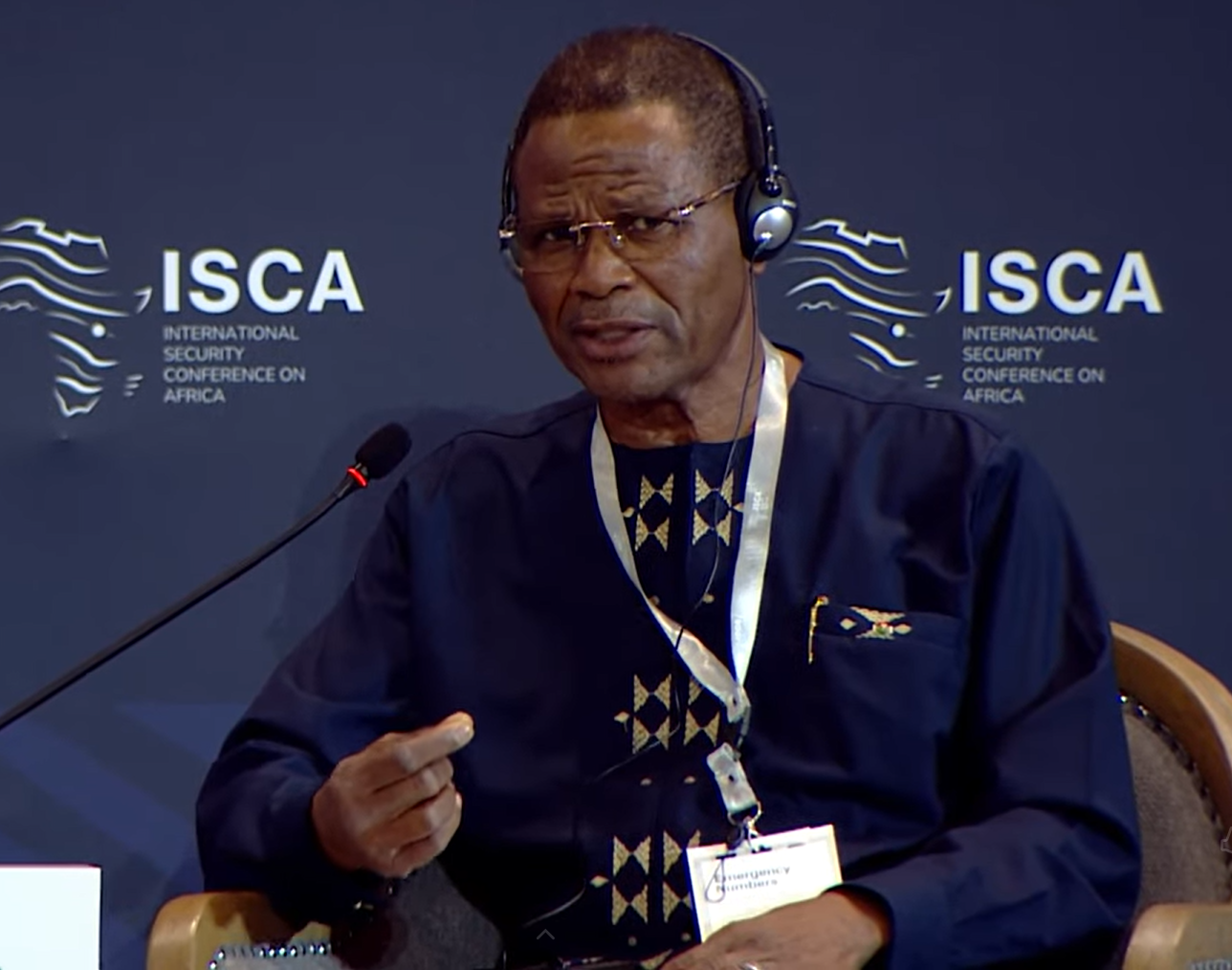
Lt Gen (Rtd) Daniel Sidiki Traore
Former Force Commander MUNISCA
Drawing from his military leadership experience, Lt Gen Traore rooted the proliferation of foreign military actors in the legacies of colonial state-building, which privileged metropolitan interests and left African countries weakly institutionalized and strategically dependent. He reminded the audience that nation-building post-independence was not an act of benevolence, but rather part of great-power self-interest, a mindset that continues to shape international engagement.
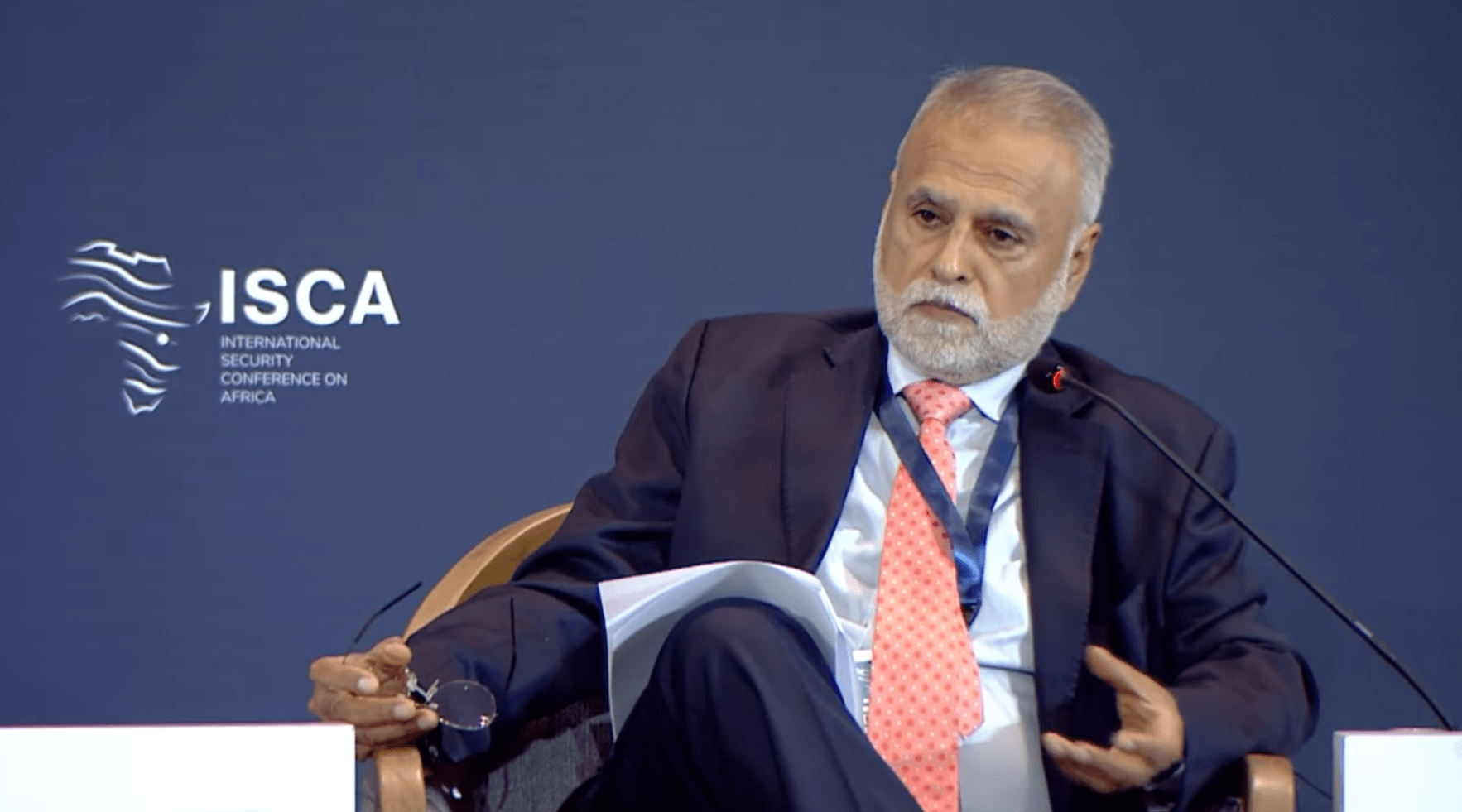
Dr Ashraf Afzal
Secretary General of La Francophonie
Dr. Afzal posited that PMCs and foreign bases often emerge from perceived or actual gaps in military and security capacity. While these arrangements can address real deficiencies—especially in weak or conflict-affected states—he cautioned against narratives that unduly stress African incapacity, noting historical cases (like Rwanda’s) where indigenous military solutions bested powerful foreign forces. For Afzal, the key danger lies in crisis-driven, unregulated, and panic-induced outsourcing without safeguards, which increases dependency
and imports new risks.
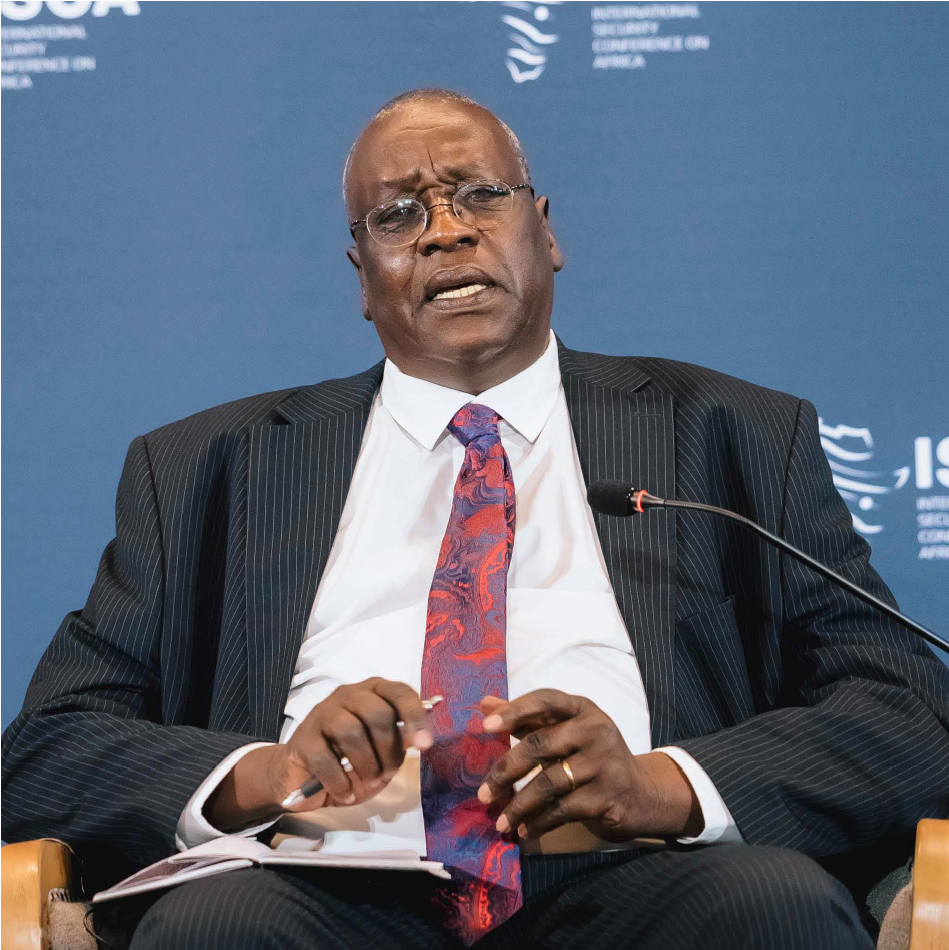
Dr. Luka Biong Deng Kuo
Senior Research Fellow, Sudd Institute
Dr. Luka Biong Deng Kuol further developed this point, situating PMCs and foreign bases within a broader syndrome of governance deficits, limited state capacity, and an inability to control core security domains (land, air, cyber).
The panel agreed that permissive local legal and political environments, often characterized by a lack of oversight and national security strategies, enable the proliferation of unaccountable security actors.
A critical thread was the linkage between foreign military contractors and business interests, particularly in natural resources. Both Traore and Afzal pointed out that PMCs are frequently compensated in mining concessions or profits, creating a vicious circle in which security outsourcing corrodes state legitimacy and diverts public wealth. Foreign bases were also discussed in the context of “great power” competition and the search for strategic logistics corridors in Africa’s energy- and resource-rich regions.
One of the panel’s most significant concerns was the erosion of sovereignty in both formal and substantive terms. Dr. Kuol argued that contracting security for-profit entities creates conflicts of interest, draws experienced security professionals out of public service, and ultimately weakens state institutions. It can also drive up corruption and misalignment with national priorities. Afzal added a technological dimension, warning that software-controlled weapons and external doctrines embed dependencies that further undermine African autonomy.
Discussions around sovereignty reached a crescendo with Louise Mushikiwabo’s intervention from the audience, probing the relevance of sovereignty when states fail to protect—or even actively harm—their citizens. All panelists concurred that true sovereignty must be people centered, built on good governance, and oriented towards the equitable provision of security.
Mutiga (ICG) insisted on frankness: the spread of PMCs amounts in many cases to “corporate mercenarism”—with the terminology for contractors changing selectively depending on their country of origin. While recognizing that PMCs sometimes provided short-term tactical success (as in Sierra Leone), he and Kuol asserted that long-term reliance saps state capacity and legitimacy, breeds internal mistrust, and increases the risk of foreign actors driving political agendas.
He highlighted particularly acute risks where PMCs become embedded in resource-extraction schemes, and where wars (such as in Sudan) migrate from rural peripheries to capitals, devastating educated classes and the institutional heart of the country, making recovery exponentially more difficult.
The panel agreed that much of the sector remains unregulated, operating under business law but not governed by democratic oversight or public accountability. The link between external support and human rights abuses was acknowledged, and ongoing African Union efforts to revise the 1977 convention on mercenaries were cited as important, but incomplete, steps.
The panel was careful to nuance the debate: while most agreed that PMCs and bases should be “tools of last resort” and used temporarily, there were circumstances under which their use was justified—if properly regulated and linked to an explicit national strategy. However, reliance on external actors should never supplant efforts to build competent, inclusive, and legitimate state security institutions.
The importance of technology and AI as new arenas of competition—and potential vulnerability—was also underscored, with a call for proactive African positions and strategies.
This panel offered a hopeful assessment of Africa’s security dilemmas regarding PMCs and foreign bases. Outsourcing is not simply an externally imposed colonial hangover; it is also a reflection of ongoing African choices, rooted in deficits of state capacity, unity, and governance. The costs to sovereignty, legitimacy, and long-term peace are high—and likely to rise as technological and geopolitical competition intensifies.
The panel’s call to action: Africa’s leaders must craft confident, evidence-based security strategies rooted in broad social consultation. The continent should regulate and limit external security actors, invest vigorously in domestic capacity, foster regional solidarity, and leverage both traditional and innovative models of collective self-reliance. Only by doing so can Africa break free from the cycle of dependency and assert genuine agency in a rapidly evolving international order.
Resources
Contact Us
- Address: Cogebanque building, 4th floor, KN 63 St,Kigali
- PO Box: 7483 Kigali - Rwanda
- Tel: +250 788 350 391
- E-mail: info@iscafrica.org
©2026 - International Security Conference on Africa (ISCA). All rights reserved.