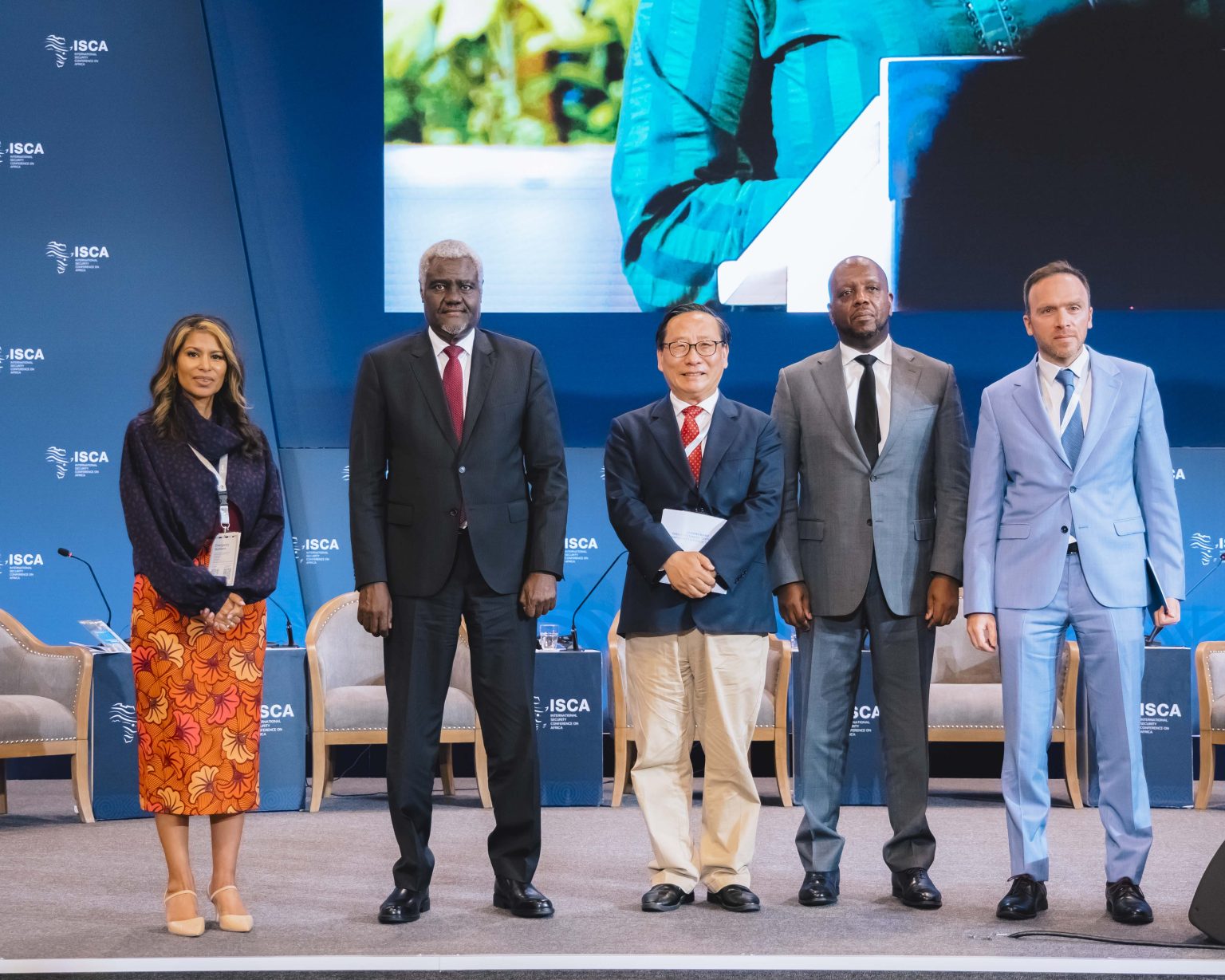
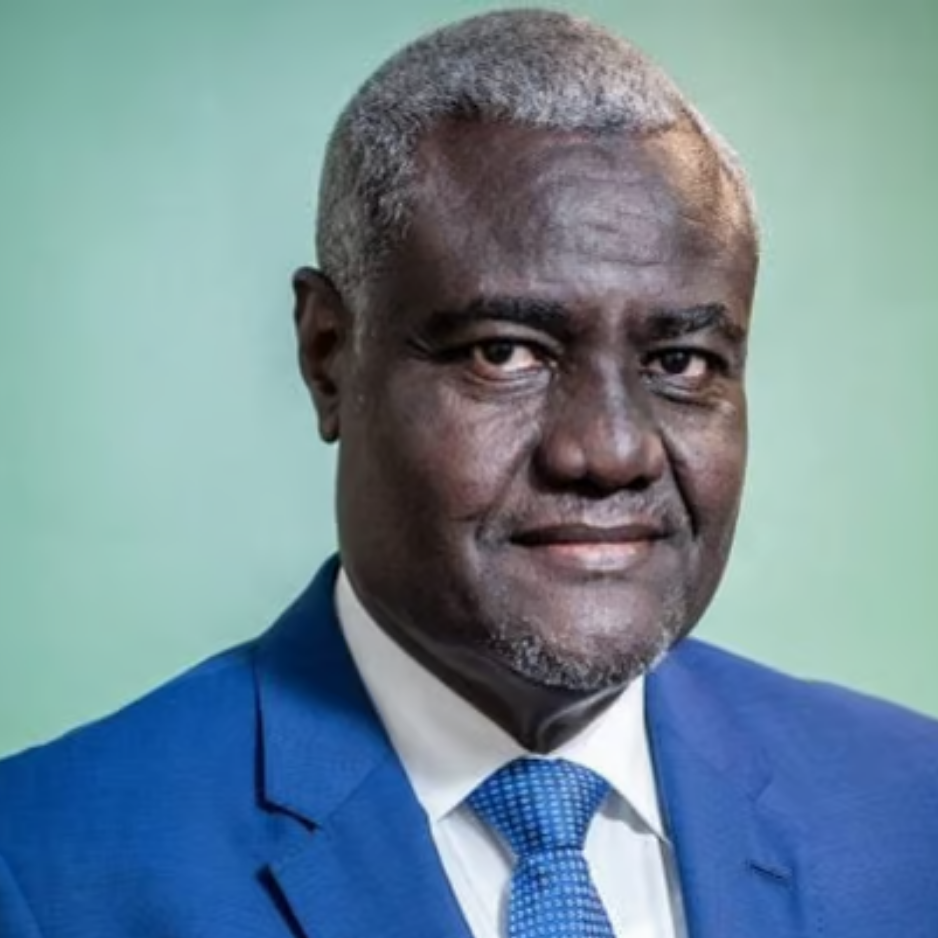
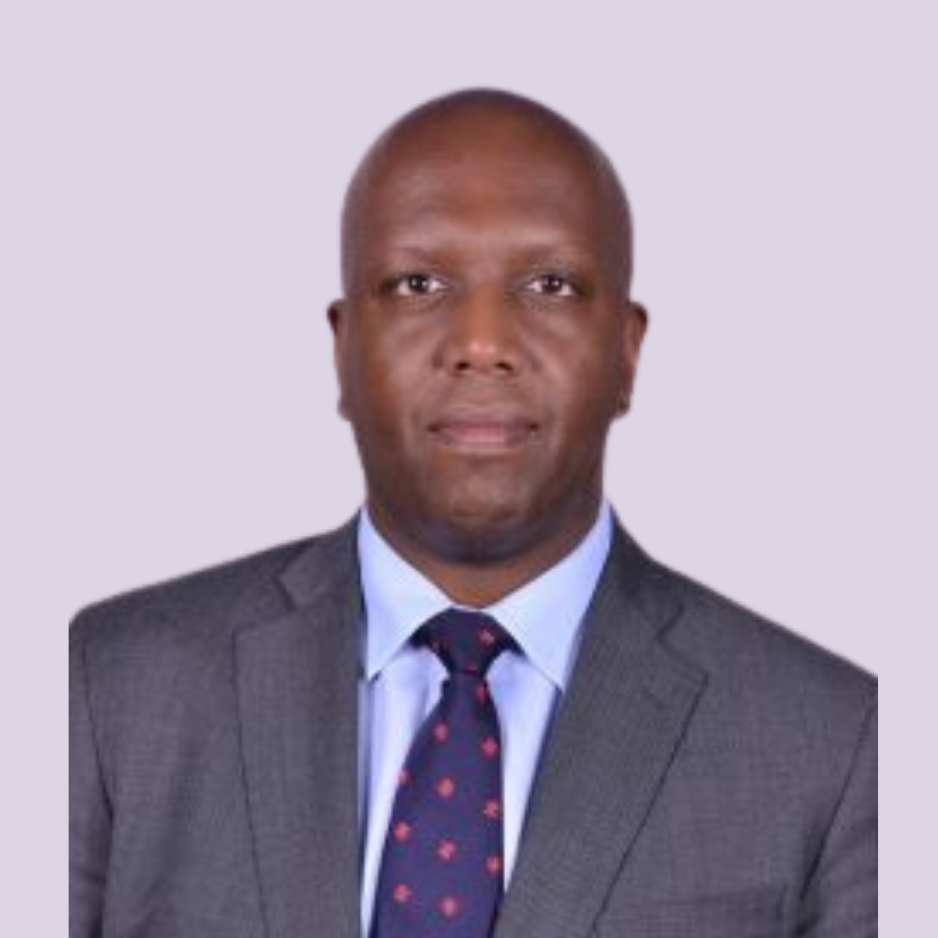
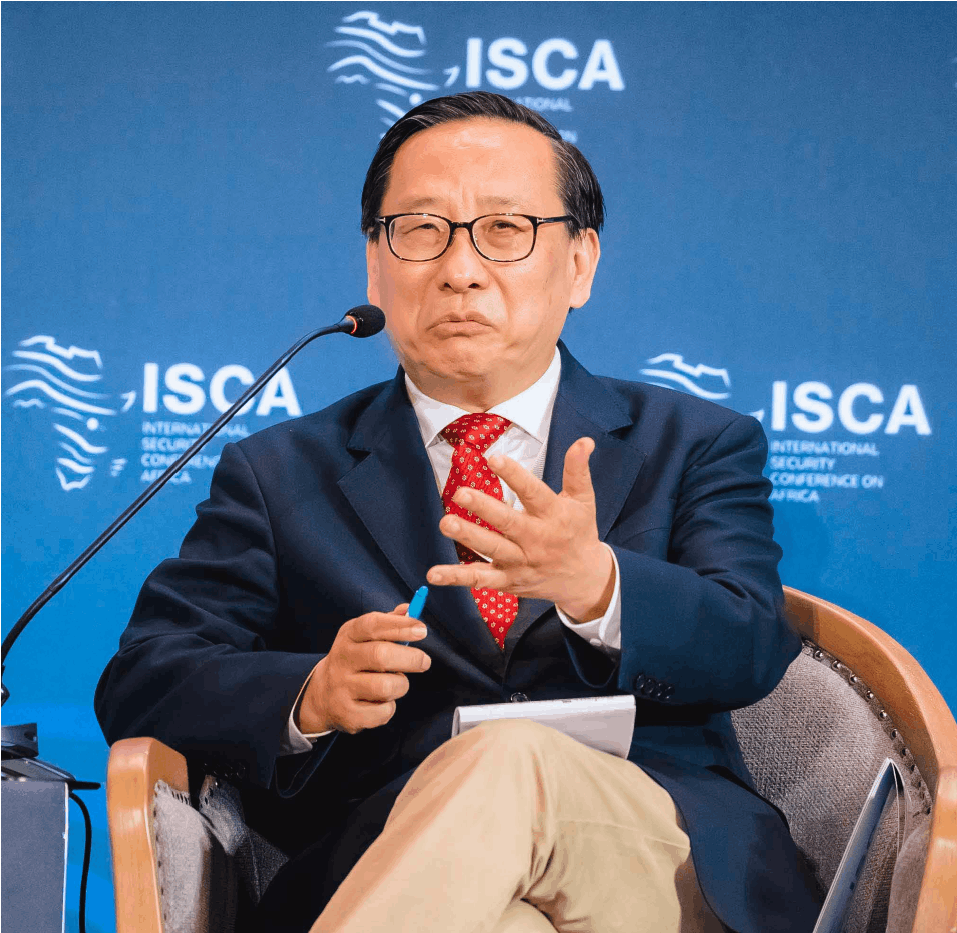
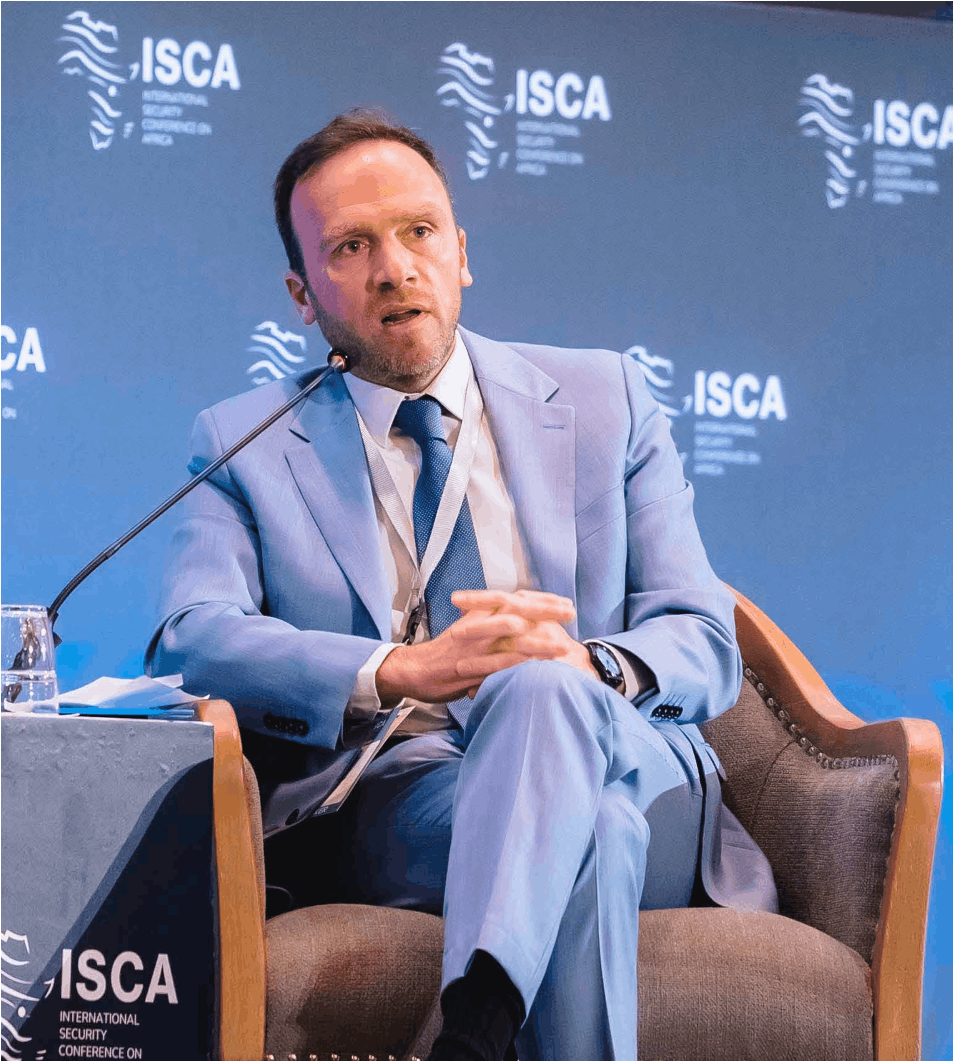
The panel delivered critiques of the existing multilateral system (UN Security Council), characterizing it as a legacy framework serving the interests of great powers. Both Faki and Kimani cited examples of Libya and Rwanda where international indifference, veto power abuse, or direct intervention produced tragic and destabilizing consequences for Africa. The African Union’s exclusion and lack of leverage within these systems were deemed structural flaws.
Kimani and Faki argued that simply insisting on “seats at the table” is insufficient. Instead, Africa must build institutional, economic, and strategic leverage through continental unity and assertiveness in international fora. Kimani likened aspirations for a UN Security Council seat to “going in as a proud peacock and coming out a plucked chicken,” underscoring that real influence lies in power, not position. Faki highlighted that external models often do not suit African realities, challenging Africans to reform political, social, and economic systems for genuine ownership and legitimacy.
Marc Hecker argued for a greater reliance on regional security mechanisms, noting that the global UN-based system is increasingly unstable and often rendered ineffective by the frequent use of veto powers. He suggested that regional arrangements may offer faster, more adaptable, and context-specific responses to security challenges, bypassing the political gridlock that hampers collective action at the UN level.
Audience interventions highlighted Sudan’s humanitarian and security catastrophe, with 13 million displaced, 5 million refugees, and rampant use of drones and mercenaries amid minimal African or international action. The Mali delegate linked Sahel instability to the Libya intervention, citing incoherence among African states, foreign interference, and unreliable partnerships. Speakers urged rejecting predatory external influence, strengthening sovereignty, and building complementary national capabilities in diplomacy, the economy, and the military.
Moussa Faki acknowledged Africa’s “institutional weaknesses” and ongoing external interference, especially in Sudan’s war. He called for urgent, united African action, better governance, and stronger diplomatic capacity.
There was consensus that sustainable security and development on the continent require African agency: self-designed institutions, critical assessment of imported models, and
responsible leadership attuned to citizens’ needs. The path forward is not asking for inclusion, but generating leverage through unity, institutional strength, and a developmental state.
Africa’s leaders must avoid the trap of exclusive alignment with any one global power, skillfully diversifying partnerships to serve continental interests. Geopolitics are increasingly transactional; Africa must prioritize clear, enforceable interests in economic, infrastructural, and technological development.
Economic integration (e.g., the African Continental Free Trade Area) is key to both peace and prosperity, fusing trade, infrastructure, and security strategies. African peace and security institutions should be revitalized, ensuring decisive, timely, and unified African positions at continental and global levels. Solidarity (Ubuntu, Harambee) is framed as not just cultural, but as strategic practice. The panel called for practical support among African states in times of crisis, with examples such as Rwanda’s G5 Sahel 1 million USD contribution in 2019.
It was emphasized that the global multilateral system is unlikely to be positively reformed in Africa’s favor without internal African leverage and unity. Africa’s destiny lies in its own hands, not in expecting external rescue.
The panel provided a nuanced account of Africa’s security dilemmas in a time of global upheaval and fragmentation. Rather than resignation or wishful hope in external solutions, the panelists advocated a pragmatic but ambitious course: building African ownership, unity, and innovation. The closing remarks underscored that Africa’s security and future depend on Africans themselves, united in vision, strategic in action, and courageous in leadership.