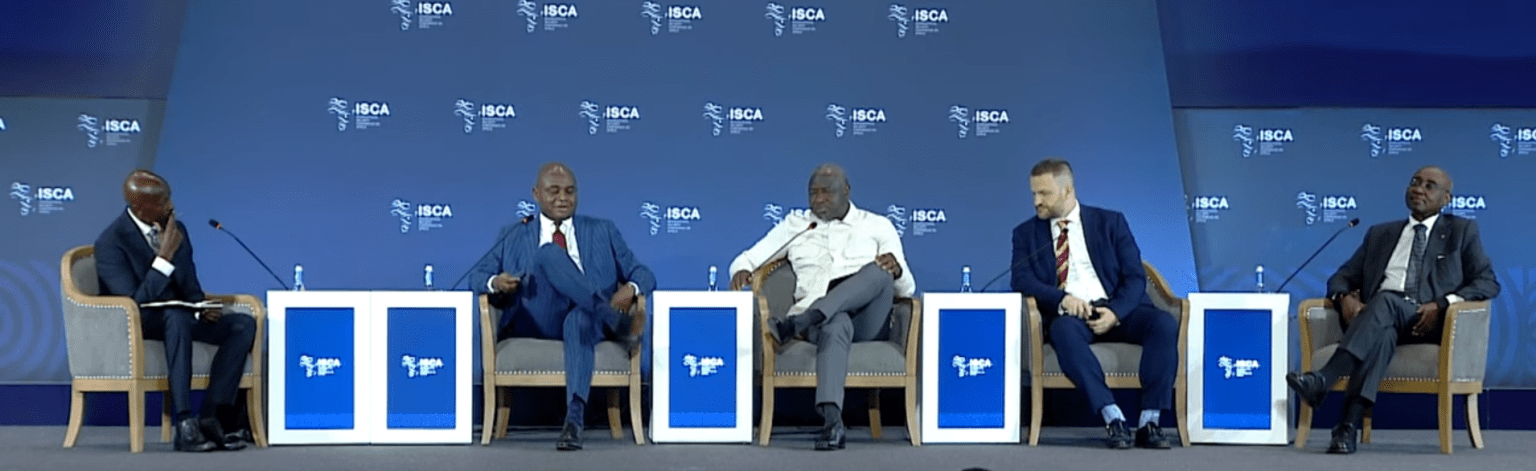
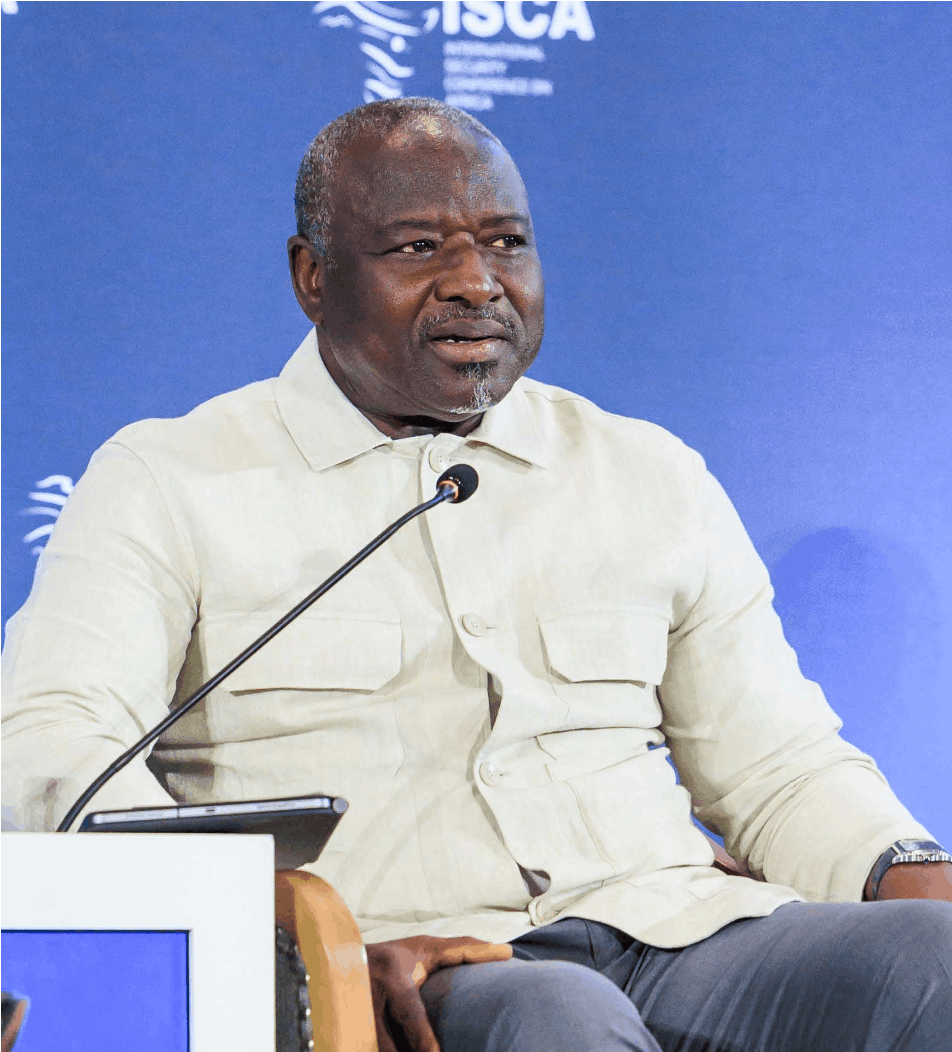
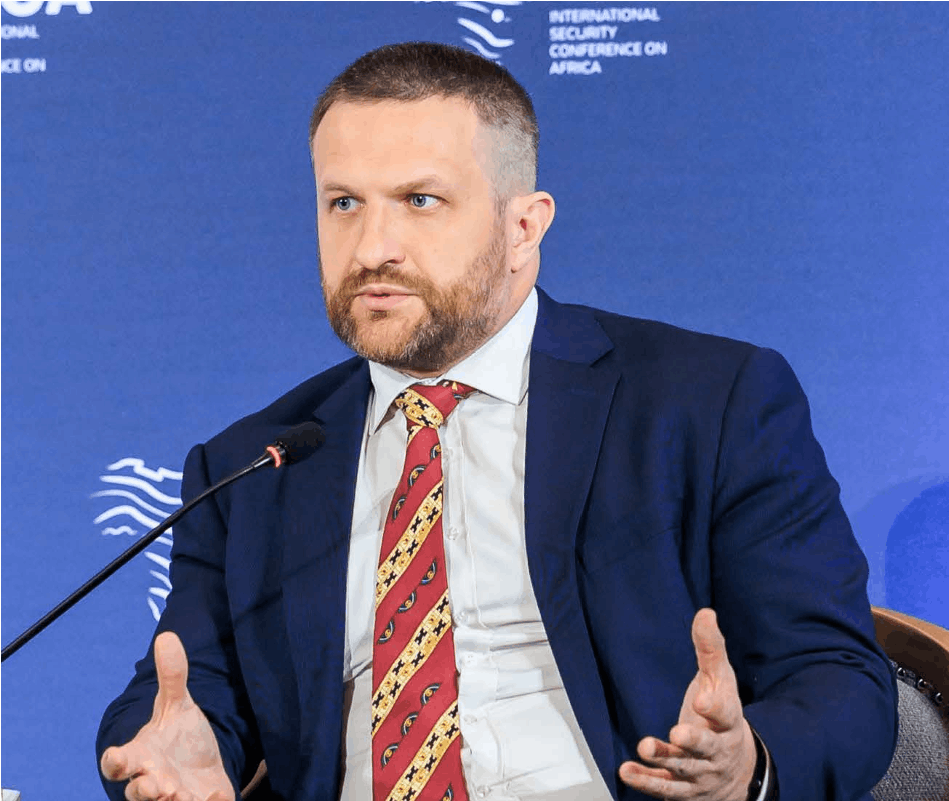
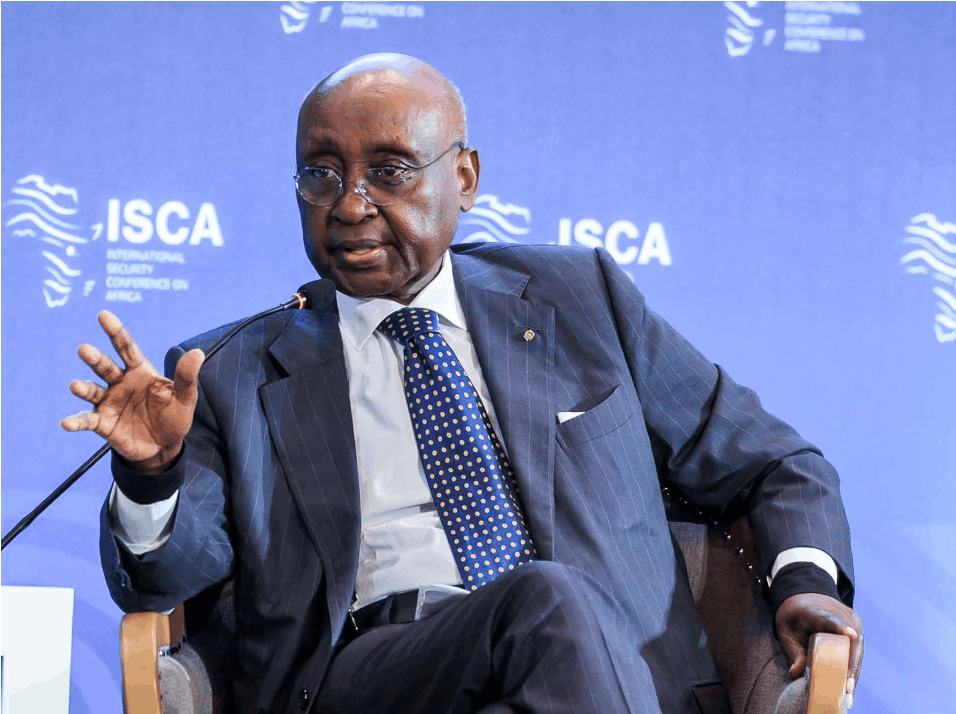
The significance of this transformation is underscored by projections for the global minerals market over the next quarter century. Demand for nickel is expected to double, cobalt to triple, and lithium to increase tenfold with the rise of electric vehicles, battery technologies, clean energy, and digital infrastructure. The IMF estimates trillions of dollars in value will be created, yet currently, only a tiny fraction of Africa’s minerals are processed on the continent. Moghalu pointed out that, if Africa can capture even a moderate share of this value through local processing and export of finished or semi-finished goods, it could reverse decades of missed opportunities that characterized Africa’s experience with oil and other traditional commodities.
Throughout the session, the panel repeatedly returned to the necessity of strategic agency. Past reliance on external goodwill or the hope of a liberal, rules-based order consistently gave way to the imperative that Africa chart its own course, define its strategic interests, and collectively bargain to secure its future. The need for regional and continental collaboration was presented not just as an economic imperative but as a matter of survival in a world where critical resources are increasingly weaponized for geopolitical power.
In sum, the panel concluded that Africa’s era of passive participation in global value chains must end if the continent is to claim its rightful place in the next industrial wave. This requires more than resource extraction; it demands value addition, regional integration, institutional innovation, and strategic governance that can both shield Africa from predatory deals and empower its citizens for generations to come. Africa stands at a crossroads between repeating historical cycles of exploitation and seizing a new era of sovereignty and shared prosperity; the choices and collaborations forged now will determine which path it follows.