Global Conflict Hotspots: Securing Africa in a Fragmented World
ISCA 2025 Conference
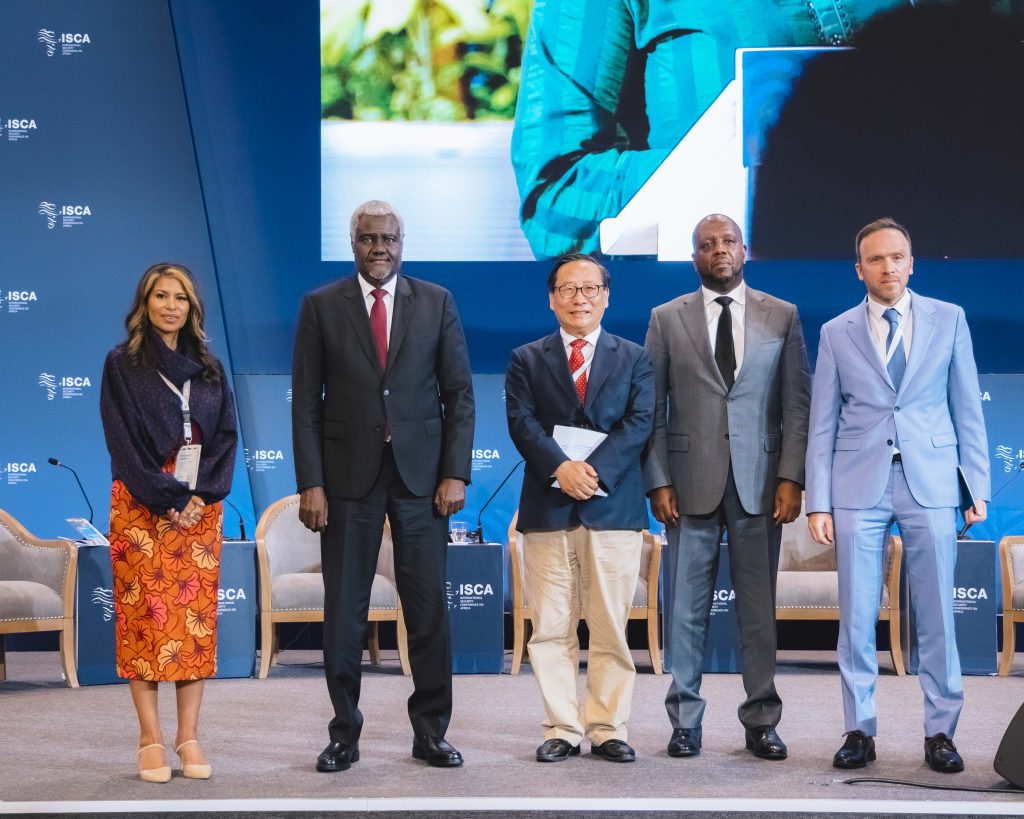
The panel, “Global Conflict Hotspots: Securing Africa in a Fragmented World,” convened
diverse voices, including African and international leaders, diplomats, and security
practitioners. The session, moderated by Ms. Julie Gichuru (President and CEO, Africa
Leadership and Dialogue Institute (ALADI)), explored critical dimensions of Africa’s current
and future security within a global context of multiplying conflicts, shifting multilateralism,
and rising external pressures.
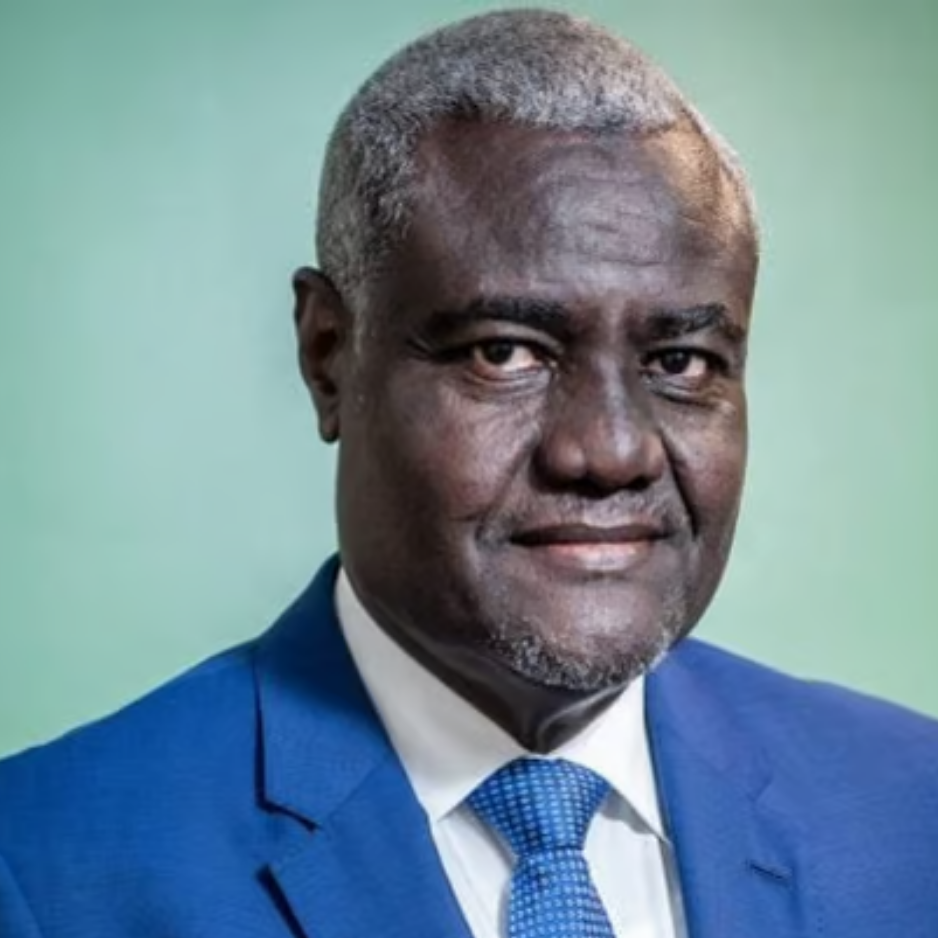
H.E. Moussa Faki Mahamat
Chairperson of the Advisory Council
H.E. Moussa Faki Mahamat (former African Union Chair and ISCA Advisory Council Chair) framed Africa’s challenges as historically rooted, observing that while legal and institutional mechanisms exist, implementation and self-reliant solutions remain elusive. The symbolism of the ISCA venue, which also previously hosted the signing of the agreement establishing the African Continental Free Trade Area (AfCFTA), was emphasized, linking it to pan-African aspirations. For H.E. Faki, the key challenge is African responsibility: reclaiming ownership, reexamining inherited models, and creatively forging peace and development “from within.”
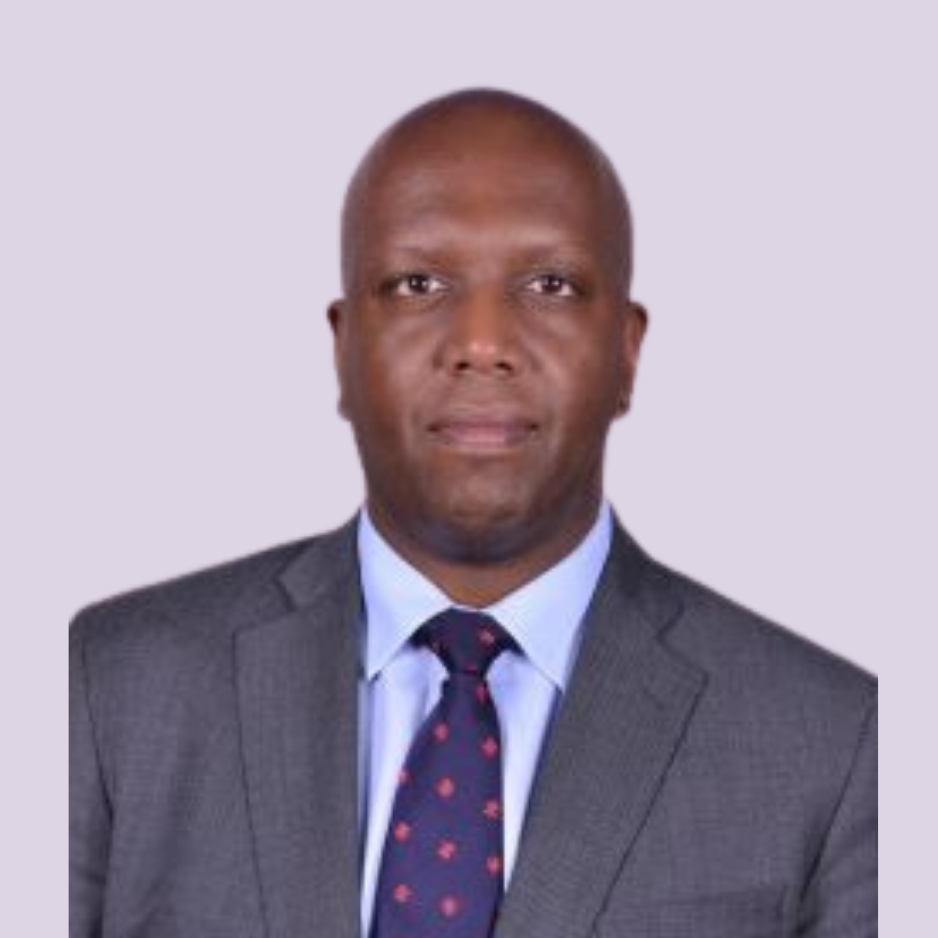
Ambassador Martin Kimani
Former Permanent Representative of Kenya to UN and President and CEO, The Africa Center, New York)
Ambassador Martin Kimani (former Permanent Representative of Kenya to UN and President and CEO, The Africa Center, New York) reinforced this call for African-designed solutions, noting the challenge of dual sources of instability: internal state contradictions and external interventions.
Amb Kimani underscored the urgent need for strategic and independent leadership in Africa, lamenting the prevalence of “performative expertise” and advocating for a “revolution in leadership” that is both principled and resilient in the face of immense pressures. He pointed to Rwanda as a case study in successful national transformation and the necessity of fostering a new cadre of resilient, values-driven African leaders.
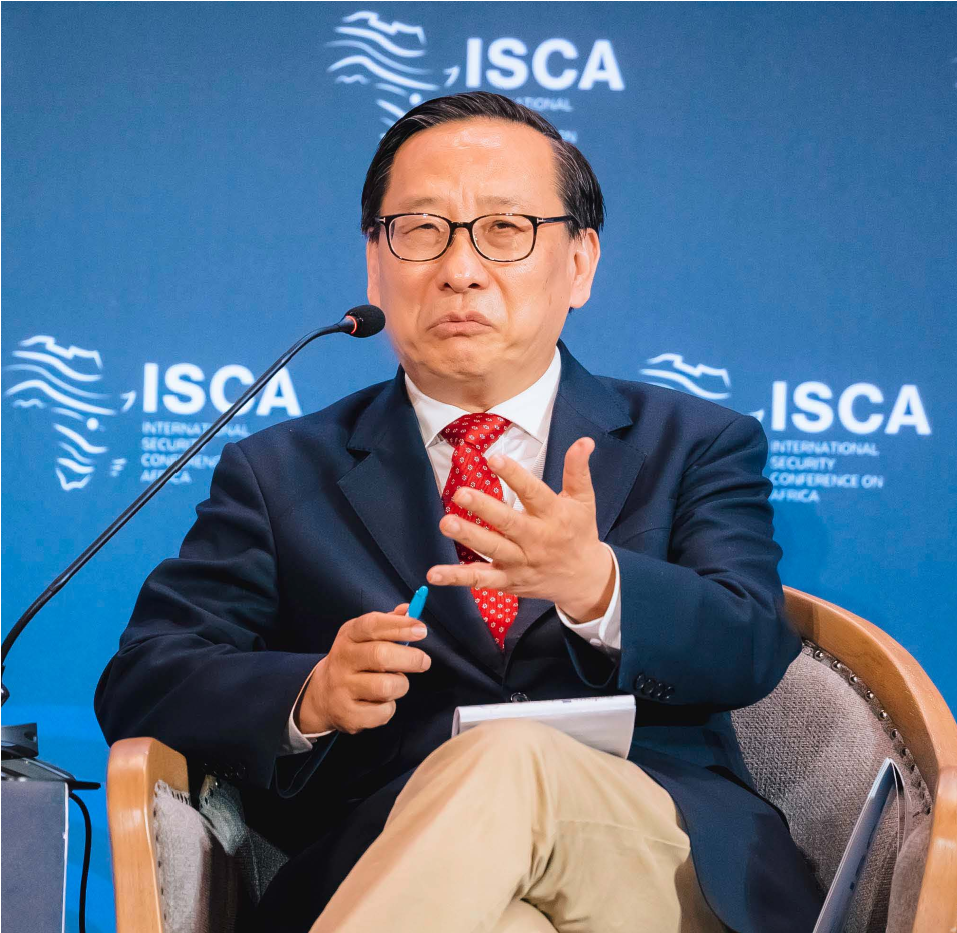
Victor Zhikai Gao
Vice President, Centre for China and Globalization
Victor Zhikai Gao (Vice President, Centre for China and Globalization) argued forcefully that Africa should reject the binary of choosing between global powers (US or China), instead using“its own brain power” to assess which external actors advance African interests. Citing China’s own rapid development, Gao advised Africa to prioritize internal stability, peace with neighbors, and continual development premised on infrastructure and energy.
Gao also cautioned on the risk of Africa missing out on the ongoing artificial intelligence (AI) revolution, proposing open-source solutions and continental mobilization to avoid a new form of “digital divide.”
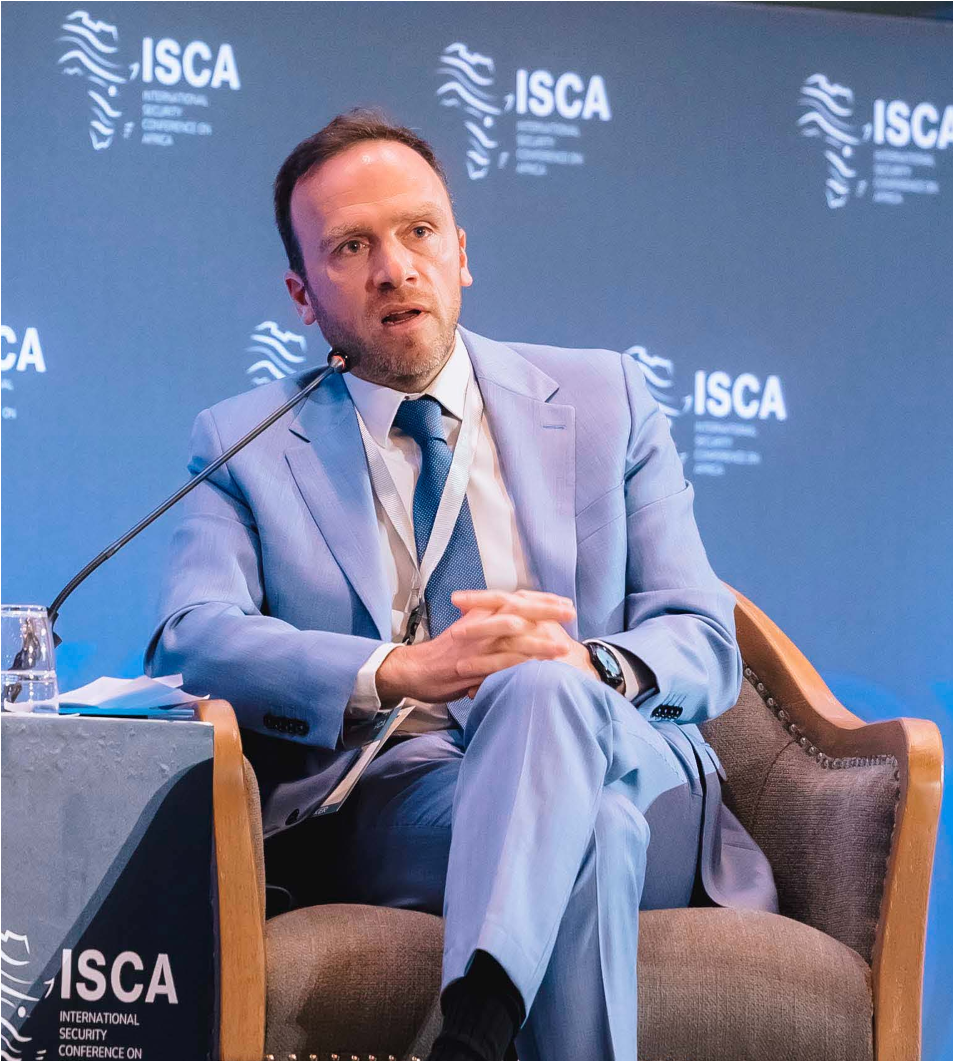
Marc Hecker
Deputy Director of IFRI
Marc Hecker, Deputy Director of IFRI, noted a Eurocentric shift from Africa’s post-9/11 centrality in global counterterrorism to a renewed focus on major power rivalries. This “crowding out” of Africa from Western security agendas, compounded by increased multipolarity, demands that African leaders develop diversified partnerships and avoid becoming pawns in larger geostrategic games. Hecker further emphasized the economic “market logic” underpinning security supply and demand, noting a growing reluctance among Western nations to engage in future military operations in Africa.
The panel delivered critiques of the existing multilateral system (UN Security Council), characterizing it as a legacy framework serving the interests of great powers. Both Faki and Kimani cited examples of Libya and Rwanda where international indifference, veto power abuse, or direct intervention produced tragic and destabilizing consequences for Africa. The African Union’s exclusion and lack of leverage within these systems were deemed structural flaws.
Kimani and Faki argued that simply insisting on “seats at the table” is insufficient. Instead, Africa must build institutional, economic, and strategic leverage through continental unity and assertiveness in international fora. Kimani likened aspirations for a UN Security Council seat to “going in as a proud peacock and coming out a plucked chicken,” underscoring that real influence lies in power, not position. Faki highlighted that external models often do not suit African realities, challenging Africans to reform political, social, and economic systems for genuine ownership and legitimacy.
Marc Hecker argued for a greater reliance on regional security mechanisms, noting that the global UN-based system is increasingly unstable and often rendered ineffective by the frequent use of veto powers. He suggested that regional arrangements may offer faster, more adaptable, and context-specific responses to security challenges, bypassing the political gridlock that hampers collective action at the UN level.
Audience interventions highlighted Sudan’s humanitarian and security catastrophe, with 13 million displaced, 5 million refugees, and rampant use of drones and mercenaries amid minimal African or international action. The Mali delegate linked Sahel instability to the Libya intervention, citing incoherence among African states, foreign interference, and unreliable partnerships. Speakers urged rejecting predatory external influence, strengthening sovereignty, and building complementary national capabilities in diplomacy, the economy, and the military.
Moussa Faki acknowledged Africa’s “institutional weaknesses” and ongoing external interference, especially in Sudan’s war. He called for urgent, united African action, better governance, and stronger diplomatic capacity.
There was consensus that sustainable security and development on the continent require African agency: self-designed institutions, critical assessment of imported models, and
responsible leadership attuned to citizens’ needs. The path forward is not asking for inclusion, but generating leverage through unity, institutional strength, and a developmental state.
Africa’s leaders must avoid the trap of exclusive alignment with any one global power, skillfully diversifying partnerships to serve continental interests. Geopolitics are increasingly transactional; Africa must prioritize clear, enforceable interests in economic, infrastructural, and technological development.
Economic integration (e.g., the African Continental Free Trade Area) is key to both peace and prosperity, fusing trade, infrastructure, and security strategies. African peace and security institutions should be revitalized, ensuring decisive, timely, and unified African positions at continental and global levels. Solidarity (Ubuntu, Harambee) is framed as not just cultural, but as strategic practice. The panel called for practical support among African states in times of crisis, with examples such as Rwanda’s G5 Sahel 1 million USD contribution in 2019.
It was emphasized that the global multilateral system is unlikely to be positively reformed in Africa’s favor without internal African leverage and unity. Africa’s destiny lies in its own hands, not in expecting external rescue.
The panel provided a nuanced account of Africa’s security dilemmas in a time of global upheaval and fragmentation. Rather than resignation or wishful hope in external solutions, the panelists advocated a pragmatic but ambitious course: building African ownership, unity, and innovation. The closing remarks underscored that Africa’s security and future depend on Africans themselves, united in vision, strategic in action, and courageous in leadership.
Resources
Contact Us
- Address: Cogebanque building, 4th floor, KN 63 St,Kigali
- PO Box: 7483 Kigali - Rwanda
- Tel: +250 788 350 391
- E-mail: info@iscafrica.org
©2026 - International Security Conference on Africa (ISCA). All rights reserved.