Critical Raw Materials and Supply Chain Warfare: Africa’s Role
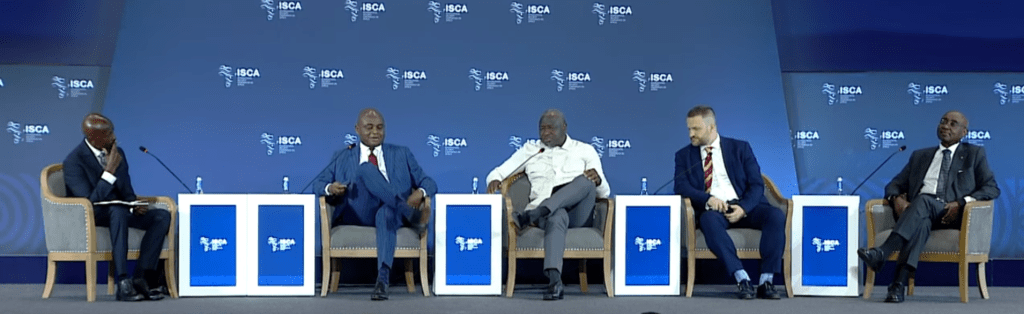
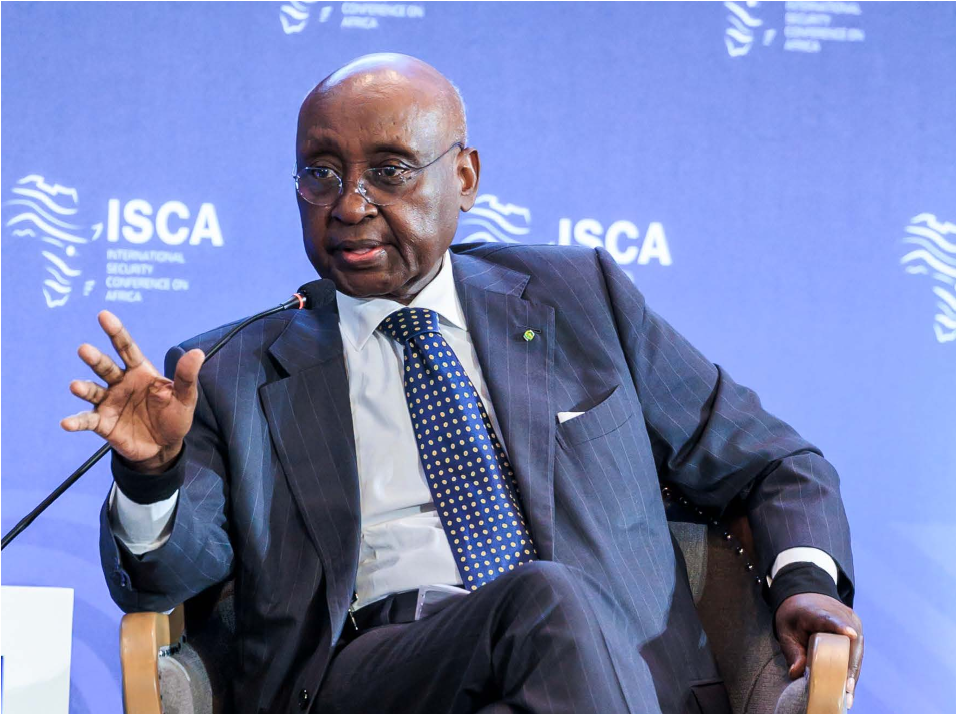
Prof. Kingsley Chiedu Moghalu (Inaugural President Africa School of Governance), Dr. Zerbo Lassina (Chairman, Rwanda Atomic Energy Board), Dr. Andrey Maslov (Director, Center for African Studies and Coordinator, e-Governance Knowledge Sharing Program, Russia), and Dr. Donald Kaberuka (Chairman and Managing Partner, SouthBridge Group) respectively
The panel “Critical Raw Materials and Supply Chain Warfare: Africa’s Role”, convened some of Africa’s foremost thinkers and practitioners to address one of the continent’s most pressing paradoxes: the abundance of critical raw materials in Africa and the persistent socioeconomic challenges that have plagued its development trajectory. The discussion, moderated by journalist Joseph Warungu (Radio One Africa), featured Prof. Kingsley Chiedu Moghalu (Inaugural President, Africa School of Governance), Dr. Zerbo Lassina (Chairman, Rwanda Atomic Energy Board), Dr. Andrey Maslov (Director, Center for African Studies and Coordinator, e-Governance Knowledge Sharing Program, Russia), and Dr. Donald Kaberuka (Chairman and Managing Partner, SouthBridge Group), all of whom explored how Africa could seize the emerging opportunity presented by soaring global demand for critical minerals amid intensifying supply chain competition and geopolitical maneuvering.
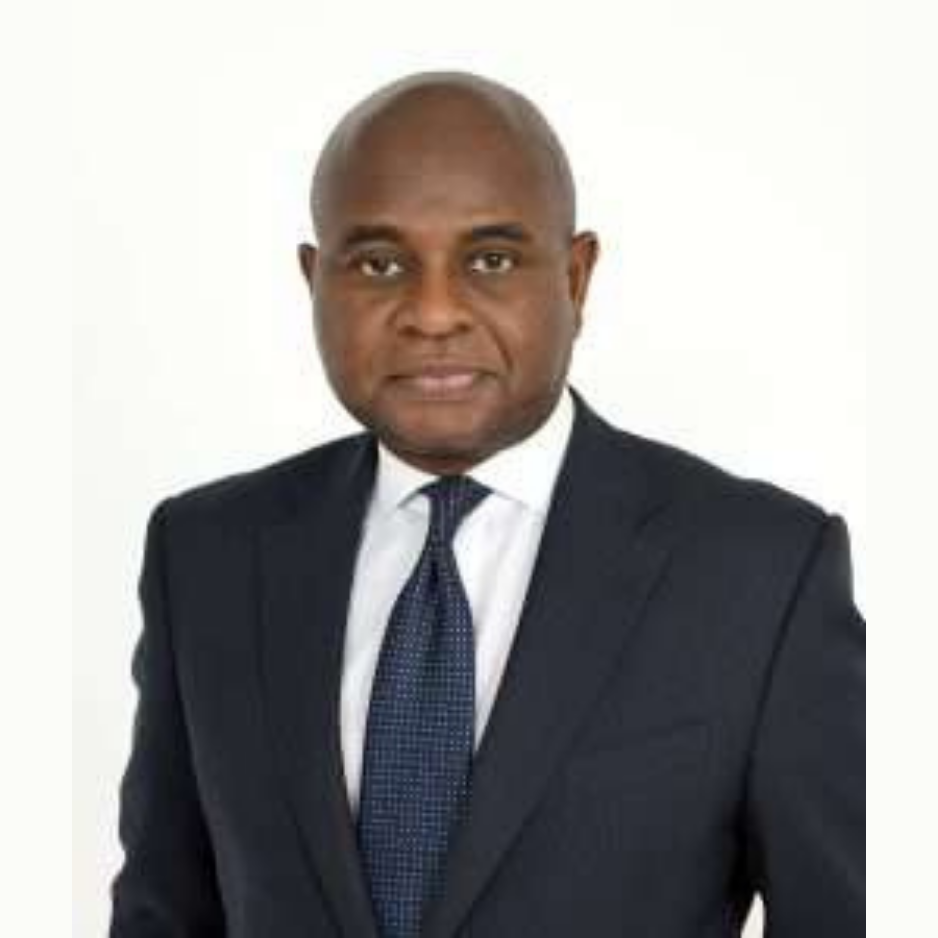
Prof. Kingsley Chiedu Moghalu
Inaugural President Africa School of Governance
Prof. Moghalu invoked the persistent conundrum that has faced Africa for decades: why have its natural resources not translated into broad-based prosperity, as has been the case in countries like Norway or the Gulf States? He argued that part of the answer lies in the pervasive mindset that governs resource management on the continent—one often shaped by a “gatekeeper” mentality that privileges elites and perpetuates corruption at the expense of long-term, people centered development.
Moghalu stressed the need for a fundamental mindset shift and the institutionalization of transparent governance mechanisms. Rather than fixating solely on raw material extraction, Africa must focus on beneficiation and the creation of economic complexity—transforming its role from a passive supplier of raw materials into an engine of value-added, competitive production.
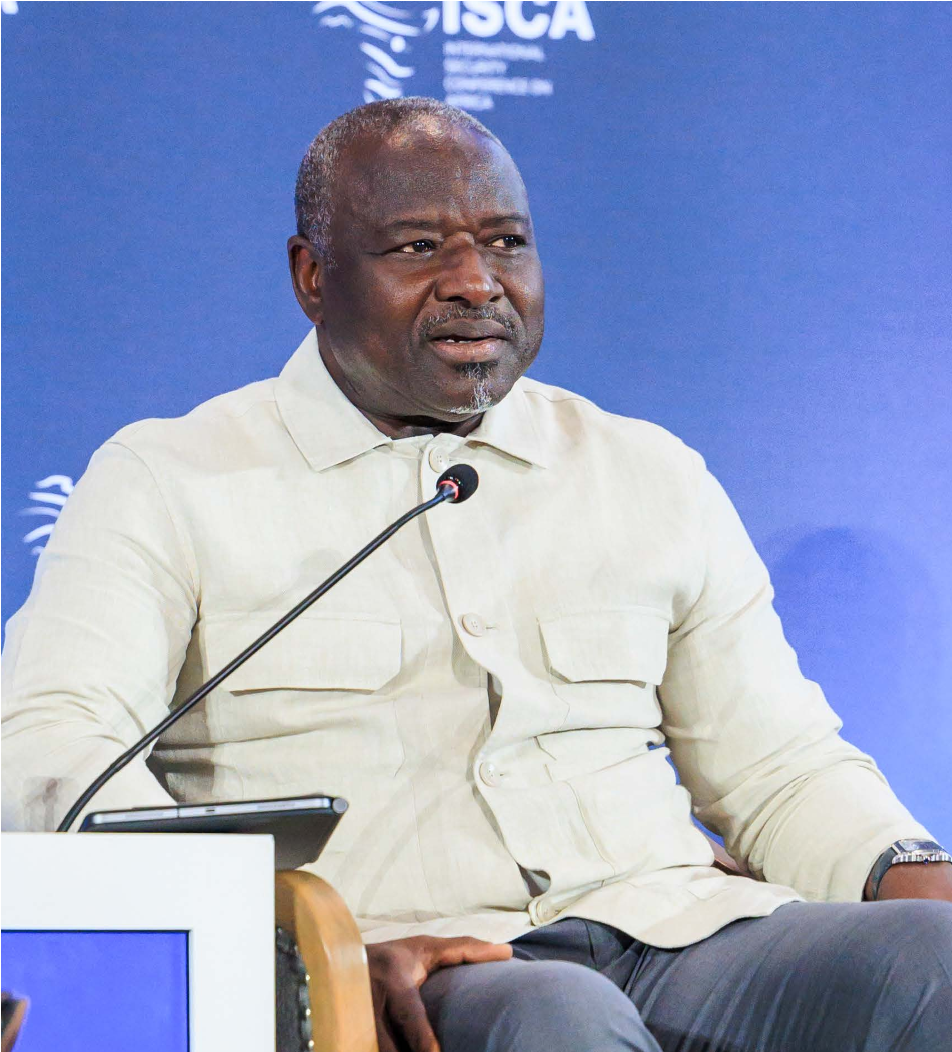
Dr. Zerbo Lassina
Chairman, Rwanda Atomic Energy Board
Dr. Zerbo Lassina expanded the debate by emphasizing the strategic—rather than purely economic—importance of critical raw materials. These materials are now foundational to national and continental security, driving not only economic growth but also technological sovereignty and defense capabilities. The COVID-19 pandemic, supply shocks, and geopolitical realignments, such as the war in Ukraine, have laid bare Africa’s vulnerabilities: when global supply chains were disrupted, Africa found itself unable to rely on external partners or even its own institutions for essential goods. Lassina called for a shift from being a passive supplier to becoming a strategic actor—proactively engaging with global supply chain dynamics, building local and regional refinery capacity, and fostering education so African leaders can negotiate and manage resources on more equitable and informed terms.
He highlighted the necessity of local and regional collaboration, such as cross-border investments. These steps, Lassina argued, are essential for retaining value on the continent and securing true sovereignty. Stronger governance, knowledge transfer, and transparent institutions are prerequisites for Africa to escape cycles of externally dictated deals and to leverage initiatives like the African Continental Free Trade Area for collective bargaining and industrialization.
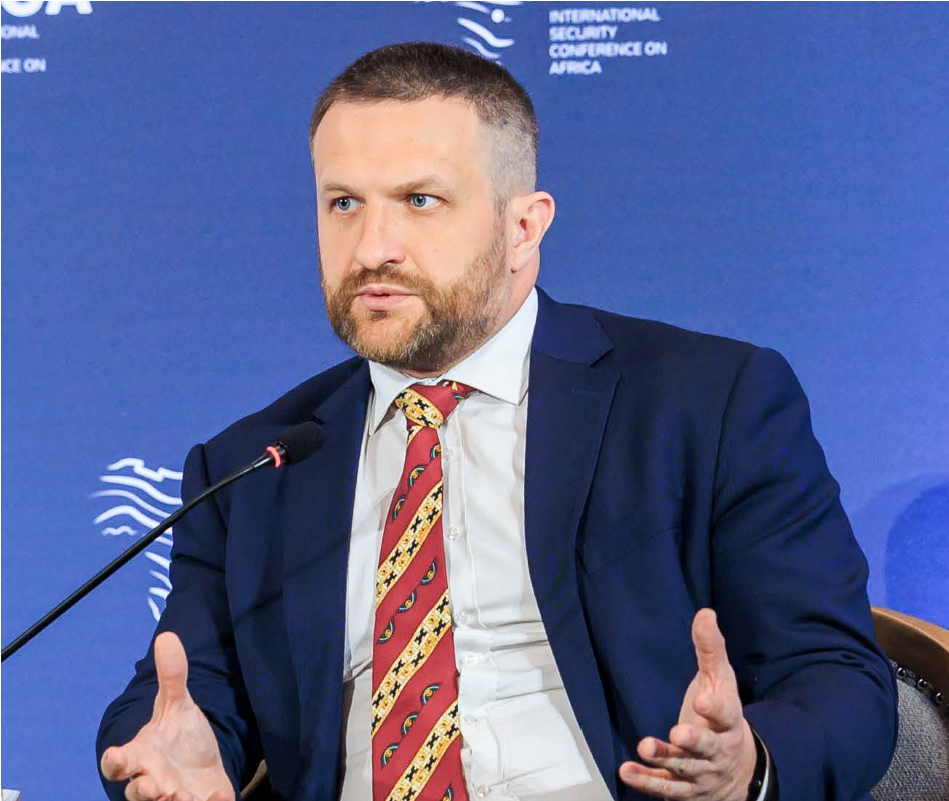
Dr. Andrey Maslov
Director, Center for African Studies and Coordinator, e Governance Knowledge Sharing Program, Russia
Dr. Andrey Maslov’s intervention shifted the focus further downstream, drawing attention to rapidly evolving patterns of global demand particularly the consumption of critical minerals by AI and digital infrastructure. He observed that current trends, such as the ever-growing energy demands of AI data centers, pose new challenges and risks. For example, Africa’s energy capacity is now subject to global competition, with significant portions being diverted to power data centers and cryptocurrency mining rather than meeting local needs.
Maslov raised a critical question: is free trade always in Africa’s interest, especially when global powers are racing to stockpile minerals not for immediate industrial use but to prevent adversaries from accessing them? He warned that unless energy and mineral resources are deliberately channeled towards domestic industrial and social development, Africa could find itself repeating past mistakes extracting and exporting commodities today, only to become dependent on imports when its own industrial revolution eventually takes off.
Dr. Donald Kaberuka
Chairman and Managing Partner, SouthBridge Group
Dr. Kaberuka reinforced the point that global capital is not as scarce as often assumed; rather, the challenge is to create environments that attract investment. With savings surging in advanced economies and investors seeking returns amid low yields at home, Africa has a window of opportunity to secure the financing necessary for industrial transformation— provided it demonstrates policy stability and strategic, collaborative investments. As he noted, no country has prospered without making significant investments in infrastructure and industrial capacity, even if such investments are initially costly and controversial.
The significance of this transformation is underscored by projections for the global minerals market over the next quarter century. Demand for nickel is expected to double, cobalt to triple, and lithium to increase tenfold with the rise of electric vehicles, battery technologies, clean energy, and digital infrastructure. The IMF estimates trillions of dollars in value will be created, yet currently, only a tiny fraction of Africa’s minerals are processed on the continent. Moghalu pointed out that, if Africa can capture even a moderate share of this value through local processing and export of finished or semi-finished goods, it could reverse decades of missed opportunities that characterized Africa’s experience with oil and other traditional commodities.
Throughout the session, the panel repeatedly returned to the necessity of strategic agency. Past reliance on external goodwill or the hope of a liberal, rules-based order consistently gave way to the imperative that Africa chart its own course, define its strategic interests, and collectively bargain to secure its future. The need for regional and continental collaboration was presented not just as an economic imperative but as a matter of survival in a world where critical resources are increasingly weaponized for geopolitical power.
In sum, the panel concluded that Africa’s era of passive participation in global value chains must end if the continent is to claim its rightful place in the next industrial wave. This requires more than resource extraction; it demands value addition, regional integration, institutional innovation, and strategic governance that can both shield Africa from predatory deals and empower its citizens for generations to come. Africa stands at a crossroads between repeating historical cycles of exploitation and seizing a new era of sovereignty and shared prosperity; the choices and collaborations forged now will determine which path it follows.
Resources
Contact Us
- Address: Cogebanque building, 4th floor, KN 63 St,Kigali
- PO Box: 7483 Kigali - Rwanda
- Tel: +250 788 350 391
- E-mail: info@iscafrica.org
©2026 - International Security Conference on Africa (ISCA). All rights reserved.