Countering the Growing Threats of Terrorism in Africa
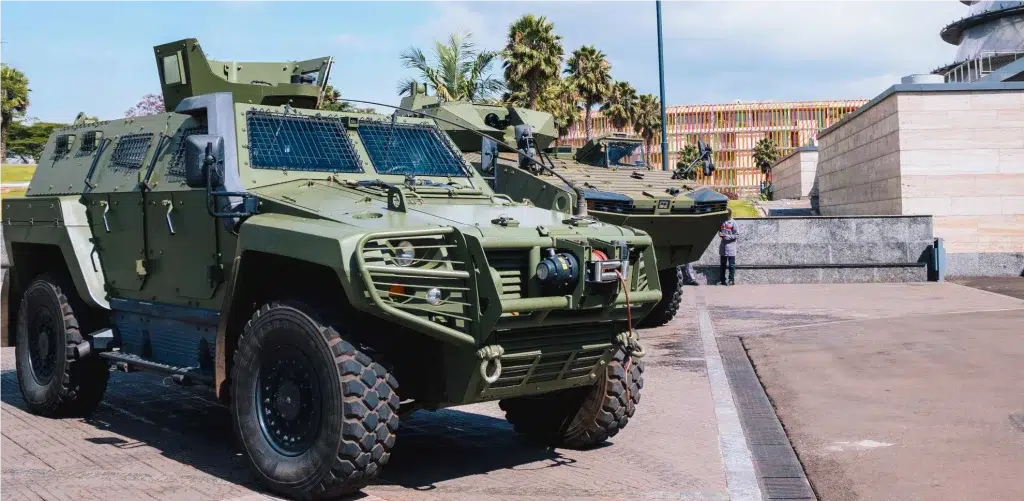
The ISCA roundtable on “Countering the Growing Threats of Terrorism in Africa”, brought together senior security and intelligence leaders to grapple with one of the continent’s most urgent and evolving security crises. The participants recognized the grim reality that Africa has become one of the global centers of terrorist activity, with hotspots such as the Sahel suffering a proliferation of violent groups and tactics, and with even children being actively drawn into militancy. The session examined both persistent and emerging facets of the terrorist threat, the multiplicity of factors underpinning vulnerability, and the evolving palette of responses necessary to safeguard African societies in this context.
While Rwanda, the host of the conference, was highlighted as a success story in fostering effective regional cooperation and in developing innovative, tailored responses to terrorism, the roundtable acknowledged that, continent-wide, policy responses are still catching up to the adaptive and networked nature of terrorist threats. Terrorist actors, such as those aligned with ISIS, are often one step ahead, operating seamlessly across borders, exploiting informational, regulatory, and intelligence gaps between states, and leveraging new technologies to recruit, mobilize, and strike. Accordingly, the participants argued that African counter-terrorism efforts must move beyond state-centric, isolated responses, toward a more integrated, pan African strategy that leverages regional cooperation, shared resources, and unified standards.
One key recommendation emerging from the roundtable was the immediate need to establish and reinforce regional and sub-regional counterterrorism cooperation. While existing platforms and arrangements have made some progress, new mechanisms and broader coordination are essential, particularly around information sharing, collective threat assessment, and the development of Africa’s own sanctions list targeting both domestic and transborder terrorist groups. Recognizing that African countries have the necessary resources and tools but too often fail to share and synergize them, the panel called for a more proactive approach to cross-border intelligence sharing and joint operations.
Much of the discussion focused on the ideological drivers of terrorism and the radicalization processes that underpin recruitment and violence. The panel agreed that alongside more traditional ideological currents, new, digitally-mediated forms of radicalization are proliferating, requiring both a deepening of knowledge—through research—and a broadening of CT interventions beyond law enforcement and military solutions. This includes public awareness campaigns, emphasizing the deglamorization of terrorism through community engagement and denouncement, and empowerment of youth to resist the temptations of recruitment. The importance of involving religious leaders—both Muslim and Christian—as partners in building resilience was stressed, with examples noted of collaborations such as the training of Imams from Jordan to teach their Rwandan counterparts how to counter extremist narratives, and the successful judicial and community strategies Rwanda has used to prevent the spread of radicalization.
Another central point of debate was the technological transformation of both terrorist methods and counterterrorism measures. Terror organizations are increasingly sophisticated in their use of digital platforms, AI, and encrypted communications, demanding that African security services build regulatory, technological, and procedural frameworks for both oversight and engagement with emerging technologies. Intelligence and security agencies must therefore embrace counterintelligence tools such as drones, cyber capabilities, AI-driven monitoring, and advanced data analytics to remain effective.
However, the roundtable warned against adopting new technologies without robust regulatory frameworks, transparent procurement protocols, and safeguards against the abuse or accidental encouragement of innovation that could be redirected towards terrorism. Only by acting collectively to harmonize regulations, monitor technological transfers, and share best practices can African states maintain an edge over rapidly mutating threat vectors.
Institutional reform emerged as another major theme, with the roundtable identifying the need for intelligence sector reform that prioritizes both community-oriented policing and the professionalism and training of personnel. Enhancing inter-agency cooperation within states— breaking down silos between intelligence, law enforcement, military, and civil society—was widely seen as a force multiplier. Training and capacity development, both within and between African states, was framed as not necessarily resource-intensive, but as requiring commitment to share experiences, lessons learned, and skill sets across borders.
Creating an effective deterrent to terrorism also demands a more profound engagement with root causes—poverty, marginalization, poor governance, and the lack of opportunity for youth. The roundtable advocated not just for military or punitive responses, but for holistic approaches including amnesty, rehabilitation, reintegration, forgiveness, and empowerment. Special attention was called for the education of minority groups, specifically the teaching of true religious doctrine as a shield against manipulation by extremists. Involving technology actors, media, and social platforms in partnership with intelligence and community leaders was recognized as crucial to countering the misuse of the digital space for radicalization and recruitment.
A further dimension explored was the need for national regulatory frameworks for emerging technologies to prevent their weaponization for terror, while not stifling beneficial innovation. Participants agreed that scrutiny in procurement, regulation, and the sharing of threat intelligence must be coordinated among states to avoid “patchwork” vulnerabilities that can be exploited by agile and borderless terror networks. Information and intelligence sharing— backed by trust, legal standards, and mutual accountability—was seen as the backbone of any successful collective CT approach.
The roundtable also reflected on the conference itself as a powerful model for African CT coordination and solidarity, lauding ISCA for bringing together a diverse set of intelligence chiefs and policy practitioners to share experiences, best practices, and actionable strategies.
In conclusion, the roundtable called for Africa to embrace a comprehensive, multi-level, and forward-looking approach to counterterrorism—one that embodies intelligence sector reform, technological readiness, inter-state collaboration, community engagement, and the strategic empowerment of vulnerable populations. Only through solidarity, mutual learning, and ownership of both the narrative and the strategic architecture of CT, can the continent catch up with, and ultimately outpace, the evolving threat posed by terrorist actors. The ISCA conference was recognized as a vital platform for sustaining this conversation, maintaining momentum, and cementing Africa’s collective response to an increasingly borderless and technologically driven terrorist threat.
Resources
Contact Us
- Address: Cogebanque building, 4th floor, KN 63 St,Kigali
- PO Box: 7483 Kigali - Rwanda
- Tel: +250 788 350 391
- E-mail: info@iscafrica.org
©2026 - International Security Conference on Africa (ISCA). All rights reserved.