Building Trust for Intra-African Investment
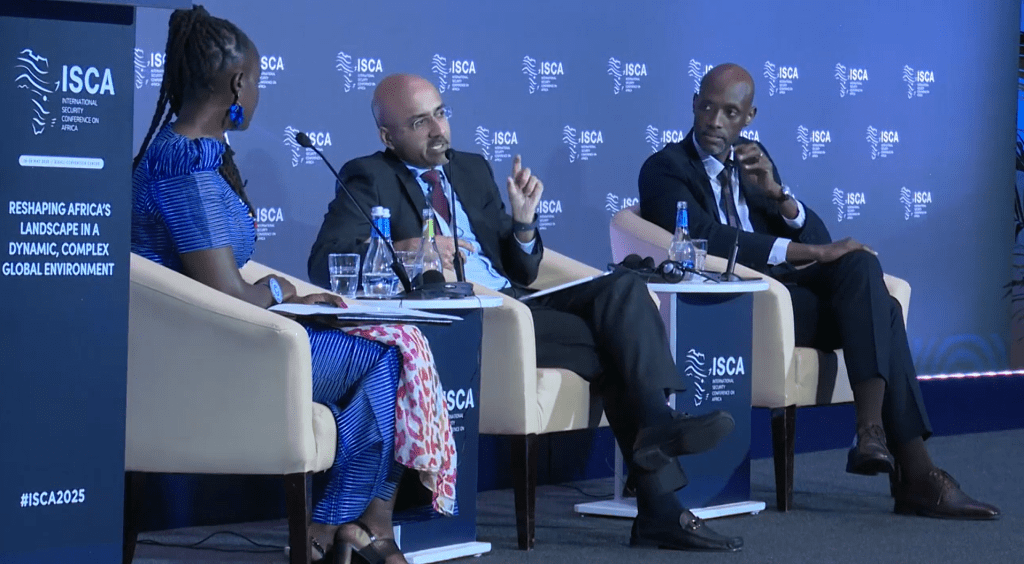
Mr. Jean Guy Afrika (CEO of the Rwanda Development Board) and Prof. Atif Mian (Professor of Economics at Princeton University) respectively
The panel on “Building Trust for Intra-African Investment” gathered leading voices to probe one of the continent’s most urgent challenges and opportunities: how to foster a climate of trust to accelerate investment and economic integration among African states and peoples. Moderated by Ms. Fatmata Lovetta Sesay, Resident Representative of UNDP Rwanda, and featuring Prof. Atif Mian, Professor of Economics at Princeton University, and Mr. Jean Guy Afrika, CEO of the Rwanda Development Board, the session delved into the structural, institutional, and cultural dimensions of investment, trust, and sustainable prosperity for Africa’s rapidly expanding youth population.
The discussion opened with a recognition of Africa’s current demographic and economic reality, where a youth bulge—60% of the continent’s population is under 25—presents both extraordinary promise and risk. With only a quarter of the new entrants to the workforce each year able to find employment, and the majority of jobs arising in the informal sector, panelists acknowledged that responsible intra-African investment is not simply a matter of economic opportunity, but a vital pathway to social stability and peace. If unaddressed, high youth unemployment and underemployment are likely to undermine trust in institutions, foster fragility, and create the conditions for extremism. Conversely, successful intra-African investment could serve as a powerful engine for inclusive growth and resilience.
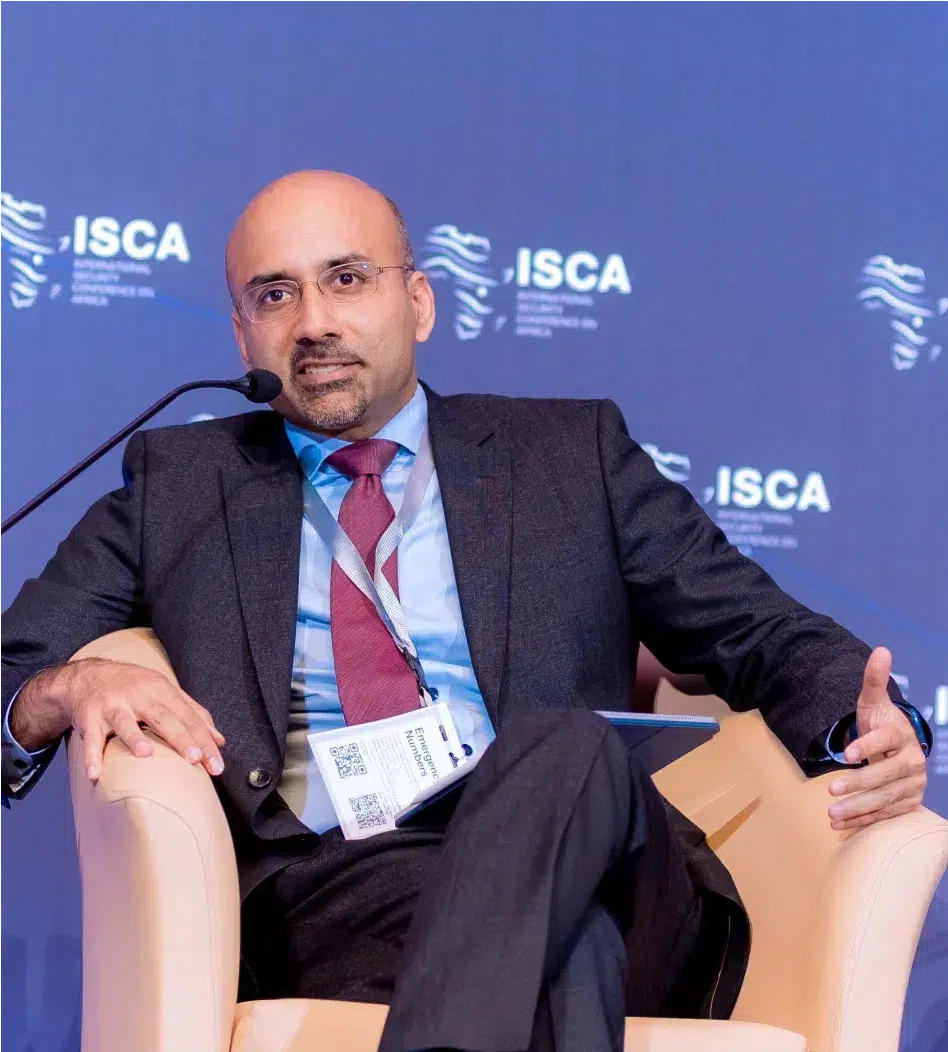
Prof. Atif Mian
Professor of Economics at Princeton University
Prof. Mian argued that, while informality has long been a feature of developing economies, a core strategy must be to expand the incentives for participation in the formal sector, not by force, but through reforms and services that make formality attractive: systems that enable talent, entrepreneurship, and capital to flourish in regulated, transparent, and growth-oriented environments. Formalization, he suggested, is not merely about revenue for the state, but is intimately linked to the growth of trust—that is, when entrepreneurial activity is transparent and thus visible to lenders, investors, and officials, it becomes possible to build reputational capital and unlock further opportunities for growth.
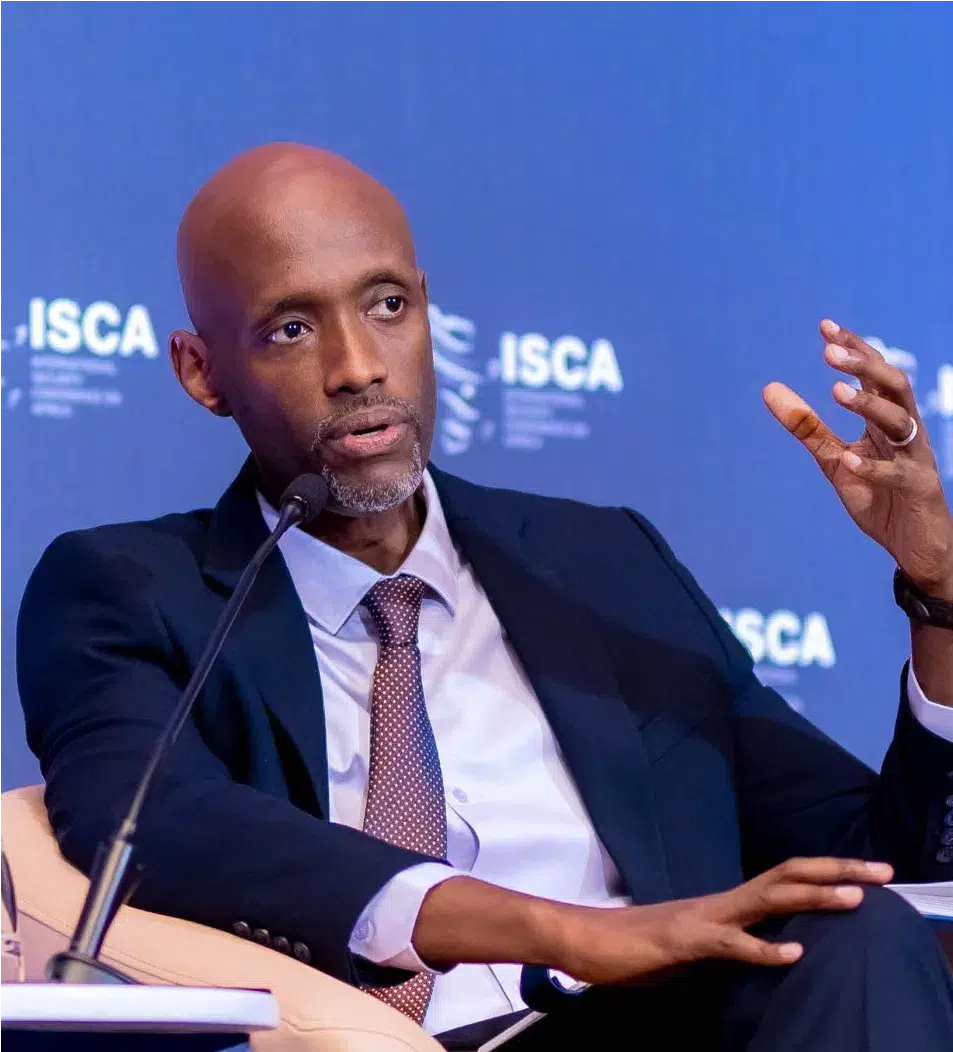
Mr. Jean Guy Afrika
CEO of the Rwanda Development Board
Mr. Afrika highlighted the need to ground policy on accurate data and nuanced understanding. The informal sector, he noted, is not homogenous: it includes survivalist entrepreneurs and illegitimate actors alike. Governments must invest in modern statistical and data capabilities to distinguish between these groups, to profile and support genuine micro-entrepreneurs, and to create entry points for formalization while tackling illicit activities within proper legal frameworks. Regional examples, such as the introduction of simplified trading regimes for small-scale cross-border traders in East Africa, show how regulatory innovation and targeted reforms can facilitate gradual integration of the informal into the broader economic system, all while offering protection and empowerment rather than imposing punitive measures.
The panel recognized that digital infrastructure—most visibly, mobile money platforms—has dramatically shifted the landscape for informal trade, financial inclusion, and transparency. Africa’s experience with mobile money demonstrates how technology can begin to draw informal actors into more formalized relationships, create valuable data, and catalyze new business models without initially incurring the bureaucratic burdens of “full” formalization. However, the panelists also recognized that mobile transactions are often taxed at the telco level and need more deliberate integration into national economic strategies to maximize developmental impacts.
Moving to the macro-level, the session considered why intra-African trade and investment remain limited despite regional ambitions such as the African Continental Free Trade Area (AfCFTA). Prof. Mian explained that the so-called “gravity model” of trade, in which proximity and economic size drive cross-border exchange, predicts that African intra-trade should be far higher than observed. The persistent underperformance, he argued, results from a combination of tariff and non-tariff barriers, fragmented regulatory environments, weak infrastructure, disparate legal regimes, and, crucially, monetary and macroeconomic fragmentation. He argued that existing currency unions in Africa, especially those tied to Europe, often undermine macroeconomic sovereignty, exposing countries to external shocks and hampering their ability to anchor inflation and policy credibility.
The solution, he suggested, lies in building strong, trustworthy central banks, giving them the independence and legitimacy to manage inflation expectations—a critical precondition for long-term investment and trust in the economic environment. Investor confidence is intertwined with macroeconomic stability: credible fiscal and monetary institutions signal that Africa’s investment landscape is both stable and future-oriented.
Mr. Afrika elaborated on the transformative potential of successful intra-African investment. Beyond raising productivity and incomes, he stressed that deeper regional value chains, shared infrastructure (such as rail, energy, or digital networks), and harmonized regulatory frameworks can foster mutual dependencies that increase the opportunity cost of conflict and dramatically lower the risks associated with cross-border economic activity. Drawing lessons from the European Union’s formation, he emphasized that material interdependence—whether in coal and steel or modern equivalents—can reshape the calculus of political and economic leaders, creating incentives for peace and stability.
He also noted that the African Union’s strategy of using regional economic communities (RECs) as building blocks for continental integration is pragmatic, given the vast geographic, legal, and infrastructural diversity of the continent. Realistically, regional integration serves as a preparatory stage for continental integration, allowing countries and businesses to develop trust, shared systems, and regulatory habits in manageable increments before scaling up to an Africa-wide framework.
Audience interventions deepened the conversation, challenging panelists to connect theory with concrete realities such as the impact of mobile money on formalization, the informal sector’s pivotal role in women and youth employment, the demonstration effects of public infrastructure projects, and the trade-offs between national sovereignty and regional integration.
Practical examples, such as road infrastructure catalyzing local trade and reducing criminal activity, illustrated the catalytic—and trust-building—effect of visible public investment. Other interventions pointed to the need for further regulatory harmonization, administrative capacity in public institutions, and a deliberate policy of facilitating people-to-people ties that would transcend artificial colonial borders and entrenched nationalist habits.
On the question of integration, both panelists cautioned against false dichotomies. Africa’s path to economic unity is necessarily incremental, rooted in strong RECs that serve as platforms for pan-African strategies. Success stories in Botswana and Rwanda indicate that size is less important than regulatory quality, policy coherence, rule of law, and an investment-friendly business climate. The Rwanda Development Board’s “one-stop shop” for investors, with integrated agency services, has been particularly effective in building a predictable, trustworthy environment and making Rwanda a regional hub for both domestic and inbound investment.
In concluding reflections, Prof. Mian urged that trust and true integration cannot be engineered solely by elites or through formal economic arrangements, but require forging genuine connections between Africa’s peoples. He advocated for policies that increase cross-border educational exchanges, facilitate student mobility, and foster pan-African social networks that can sustain the long-term cultural and relational fabric on which trust and economic resilience ultimately rest.
The panel made clear that building trust for intra-African investment is a multi-dimensional endeavor, requiring reforms in formalization, data, digitalization, institutional quality, and regional coordination, as well as bolder efforts to build a pan-African narrative of solidarity and common purpose. Above all, the empowerment of Africa’s young and dynamic population is central, not as an afterthought or charity, but as a necessary driver of investment, innovation, and the continent’s ability to thrive in a complex global economy. Initiatives such as the UNDP’s Timbuktu innovation hubs exemplify the energy, vision, and inclusive approaches necessary to anchor trust, investment, and sustainable transformation in Africa’s next chapter.
Resources
Contact Us
- Address: Cogebanque building, 4th floor, KN 63 St,Kigali
- PO Box: 7483 Kigali - Rwanda
- Tel: +250 788 350 391
- E-mail: info@iscafrica.org
©2026 - International Security Conference on Africa (ISCA). All rights reserved.