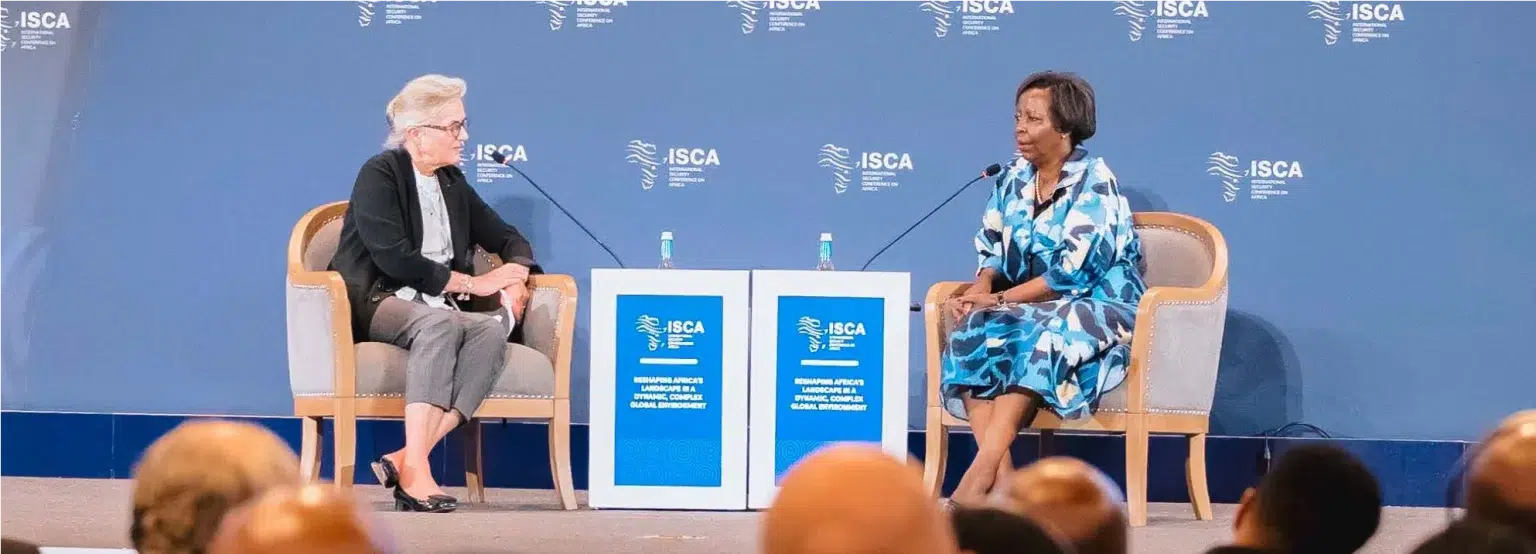
Delapalme pushed the debate further, noting that mere representation (such as new seats in the G20 or the UN) is insufficient unless African actors can sustain a common position and follow through with strategic, organized advocacy. Fragmentation and lack of follow-through dilute Africa’s collective strength on the global stage.
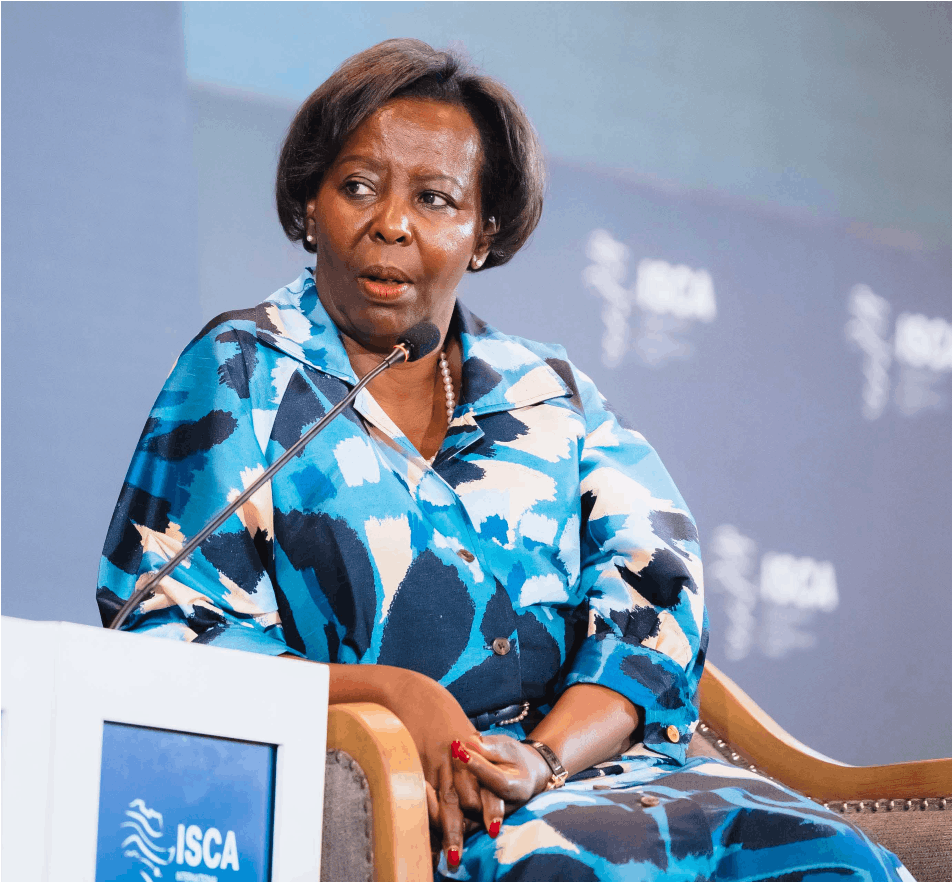
Both panelists critiqued the limitations of the post-war multilateral system, dominated by entrenched powers and systematic vetoes. They emphasized that Africa should diversify its partnerships, engage actively within multilayered forms of multilateralism (BRICS, La Francophonie, ASEAN, etc.), and adapt with agility to the proliferation of shifting international coalitions. Mushikiwabo described the evolution from fixed alliances to “successive coalitions” as both a challenge and an opportunity for a young, dynamic continent.
Examples from the Ebola and Covid-19 crises illustrated how African governments, private sector, and diaspora can rapidly mobilize coalitions, pool expertise, and negotiate effectively with international actors—underscoring that capacity and innovation exist when collective will is present. The need to extend these approaches to broader fields—such as digital regulation and debt relief—was identified as the next frontier.
The panel underscored that Africa’s path to enhanced bargaining power lies in sustained unity, agile engagement, pragmatic coalition-building, and resolute self-confidence. Rather than waiting for external validation or transformation of global structures, African actors must leverage existing strengths, identify mutual interests, and bring disciplined, methodical follow through to international advocacy. Echoing the words of the panelists: Africa, with a third of the world’s population and resources by century’s end, must move assertively from observer to architect of the rules that shape a shared future.