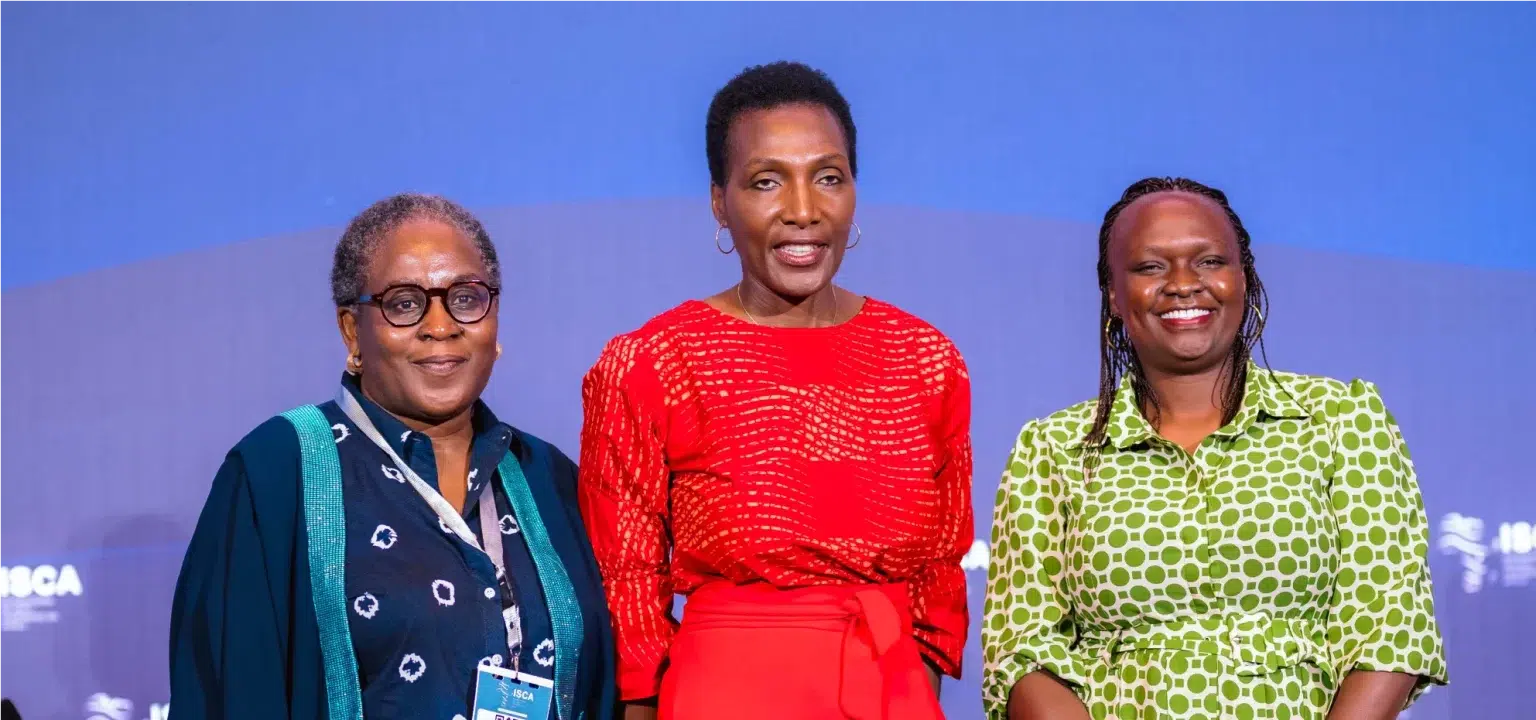
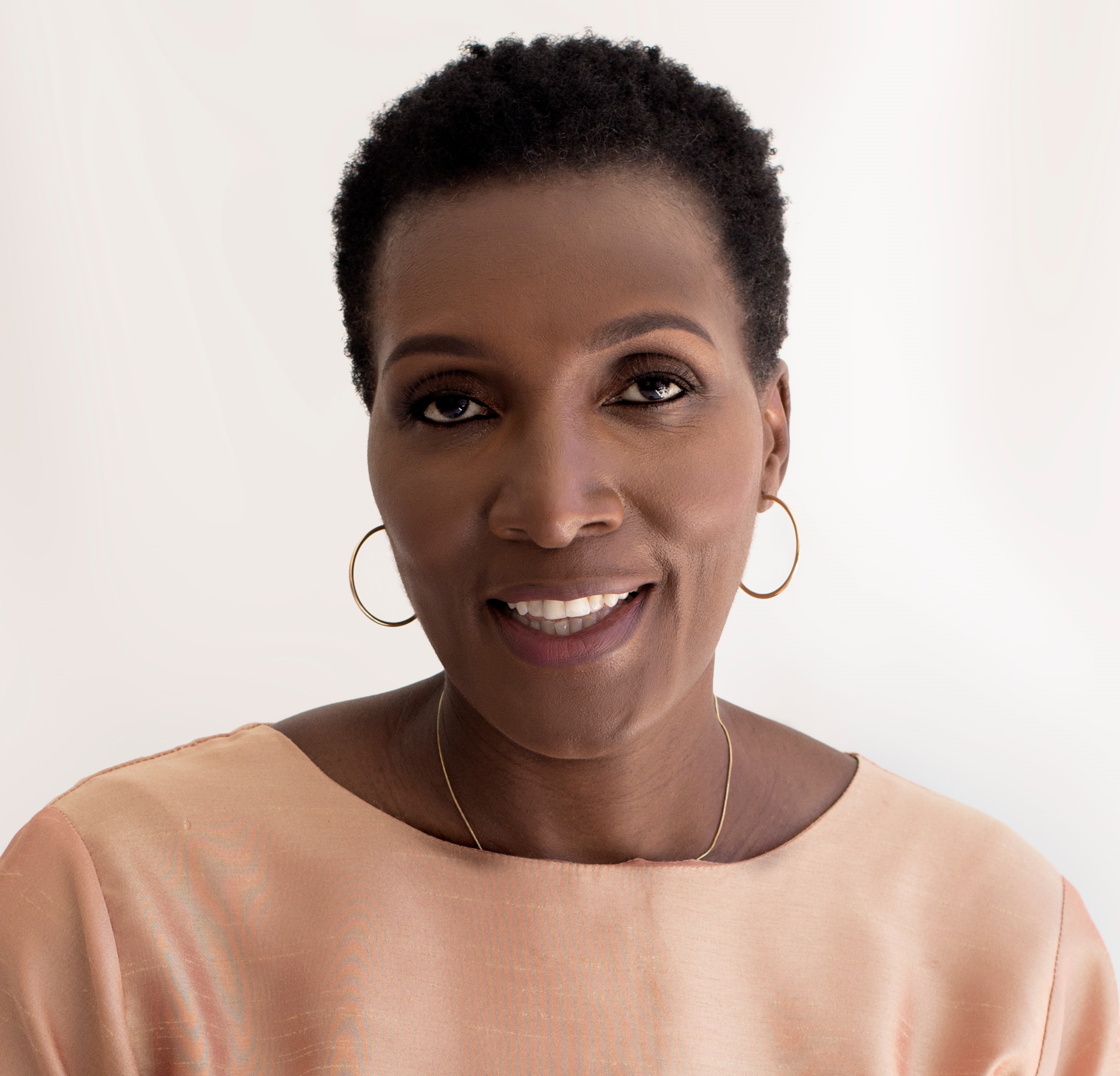
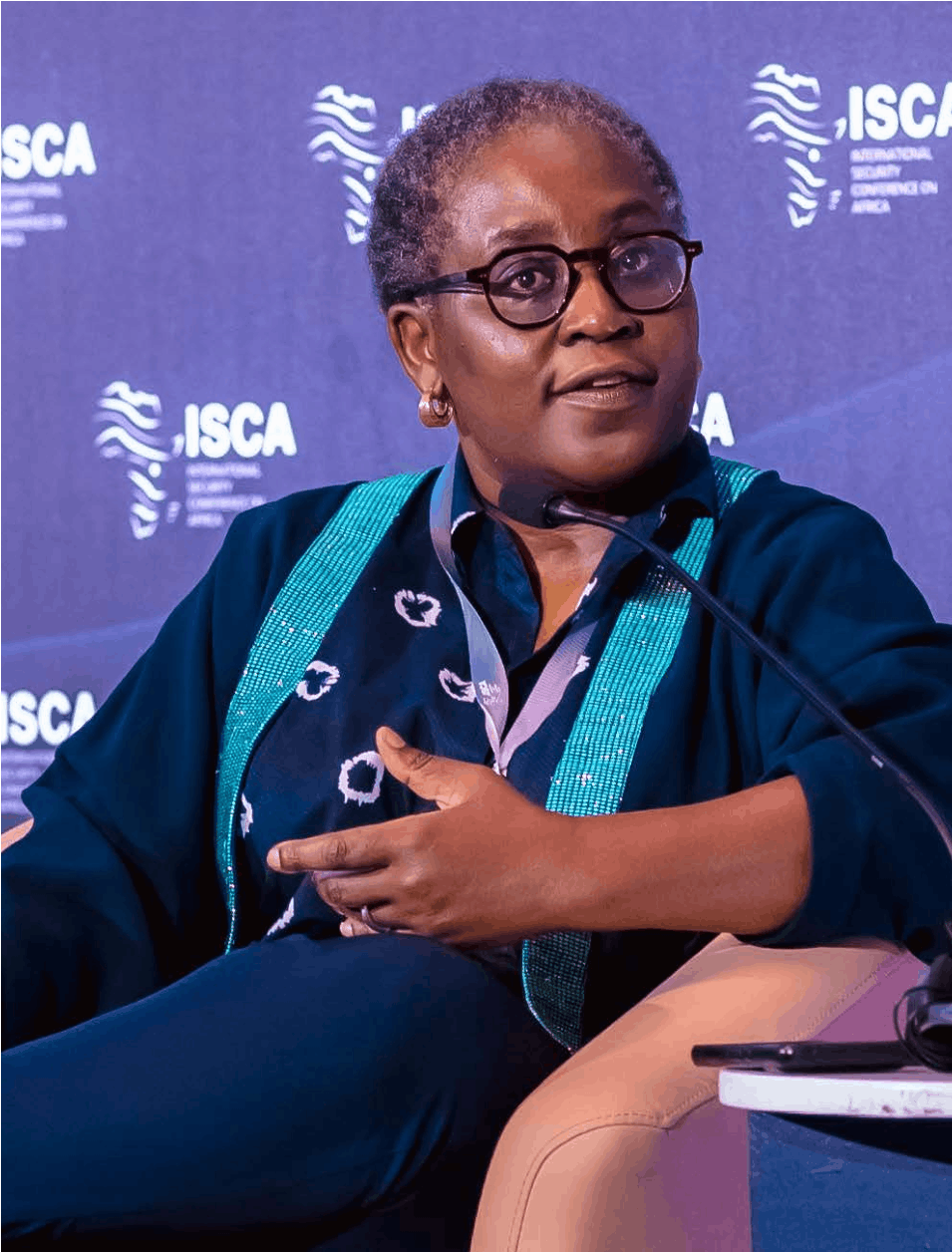
Both Makura and Kalondo agreed that journalism—and “news” itself—is undergoing a transformation. Objectivity and fact-centered reporting are being eroded by the rise of opinion led, outrage-driven storytelling. Media, especially social media, now amplifies what audiences already feel, prioritizing emotion and controversy over depth and truth. The structure of the digital economy—where clicks, likes, and shares drive revenue—favors sensationalism, stereotypes, and anger.
Algorithmic mediation further complicates matters. Kalondo illustrated how platforms such as Twitter’s Grok can rapidly alter digital narratives, sometimes even reflecting the biases or political interests of their owners. This is especially troubling for Africa, where only a small proportion of online content is created by Africans. According to Makura, only about 3% of Wikipedia content covers Africa; even less is written by Africans themselves. The void is filled by external voices and perspectives—meaning that artificial intelligence and global search engines reinforce, replicate, and upscale inherited stereotypes unless Africans themselves actively generate content.
A central theme of the discussion was ownership: Who owns the stories about Africa? Who controls the platforms? Who sets the linguistic and cultural boundaries of online information? Makura argued that for Africans to change the narrative, investment is critical in resilient, trusted African media brands that can compete with global behemoths like the BBC. Without this, even the best and brightest African journalists tend to be pulled in by better-resourced international agencies—further hollowing out local capacity.
Kalondo brought the conversation to another level by stressing the importance of linguistic sovereignty. As large language models (LLMs) and artificial intelligence become the arbiters of meaning online, Africans risk not only losing control of their stories but their languages themselves. The cultural, existential, and security risks are immense: if African languages and content are underrepresented in the datasets driving AI, the continent’s ability to shape global narratives and ensure its digital citizenship will be fundamentally undermined.
Strikingly, the panel’s research revealed how African media covering other African countries often simply aggregates and amplifies global wire content. Newspapers in Ghana discussing Nigeria (or vice versa) were found to rely overwhelmingly on Reuters, AFP, or similarly foreign-sourced material, reinforcing the narrow, crisis-centric “Africa story” for both foreign and local audiences. This creates a negative feedback loop: external actors set the agenda, and African outlets reproduce it, either for lack of resources, access, or confidence in their own narratives.
Compounding this is the economic reality: most journalism training, content production, and research on African journalism is funded by non-African agencies. This further shapes editorial priorities, training standards, and even the self-image of African journalists, strengthening the perception that “West is best” and discouraging investment in home-grown, pan-African platforms.
The panel made clear that media narratives have implications far beyond image and reputation—they affect human security, political stability, and national sovereignty. Kalondo warned that language—amplified by media and algorithms—can build armies or incite war, as witnessed in Rwanda’s own history with Radio Télévision Libre des Mille Collines (RTLM). As young people increasingly form their identities online, the risk is that the only accessible stories are those defined by others—often portraying Africa as dependent, divided, or doomed.
Panelists also recognized change. The rise of “news content creators,” YouTubers, and pan African storytelling platforms has democratized narrative authority, empowering more young people and giving rise to stories of resilience, entrepreneurship, and hope. Initiatives such as Africa No Filter support these new storytellers, offering resources and mentorship outside traditional newsrooms and attempting to seed the digital world with diverse, locally-generated voices.
The panelists argued that to shape the future of Africa’s media and narrative, it is essential to invest in African media capacity by nurturing local brands as trusted, independent sources that can set the agenda and compete for both audiences and talent. Africans should populate the digital sphere with their own perspectives by generating and posting content that reflects the full spectrum of their realities, using multiple languages and platforms. At the same time, claiming linguistic and AI/data sovereignty is crucial; African nations and institutions must work to ensure that their languages, idioms, and truths are embedded in the algorithms of the future by supporting initiatives to digitize, translate, and model African languages. Supporting media literacy and critical consumption is also vital, as the role of storyteller increasingly falls to every citizen; training should reflect the digital age, helping people navigate misinformation and encouraging critical engagement with content. Ultimately, building a “whole-of-society” approach to narrative is required, as changing the narrative is a shared project involving governments, civil society, security services, youth, and content creators alike—one that cannot be subcontracted or imposed from outside.
The panel powerfully illuminated how the global misrepresentation of Africa is not only a matter of image, but one of economic cost, political legitimacy, cultural sovereignty, and even security. As the digital media landscape transforms, so must Africa’s strategy—toward ownership, agency, and a multiplicity of voices that tell the continent’s own complex and hopeful stories. The challenge ahead demands capacity, intention, and the courage to put Africa’s truths—written, spoken, and visual—back at the center of the global digital narrative.