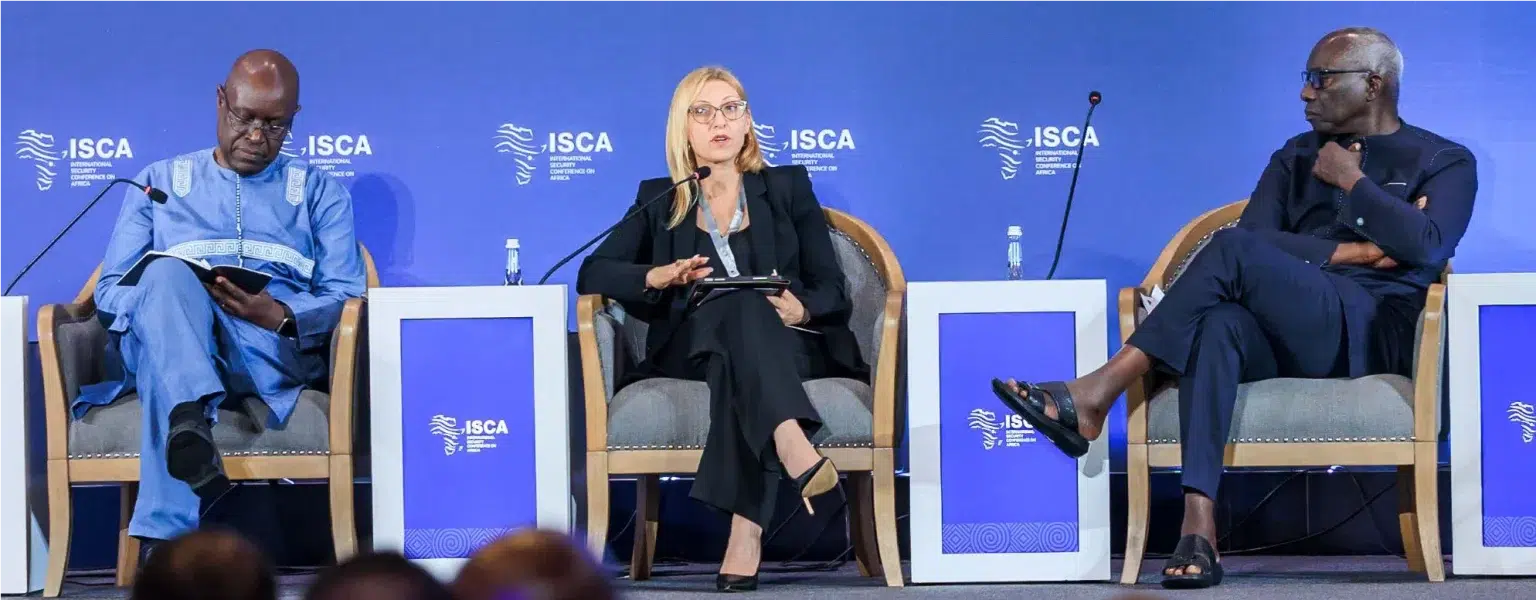
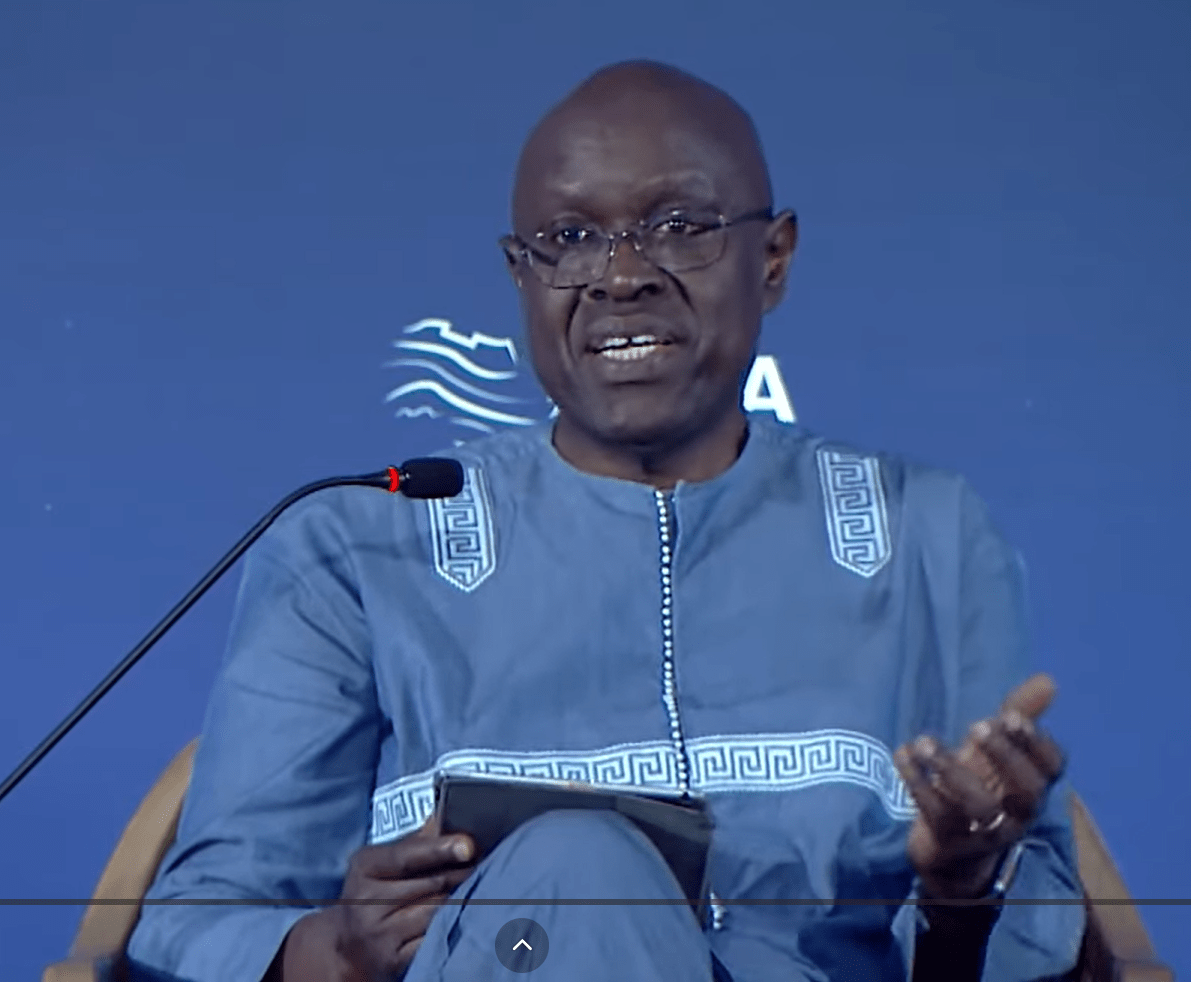
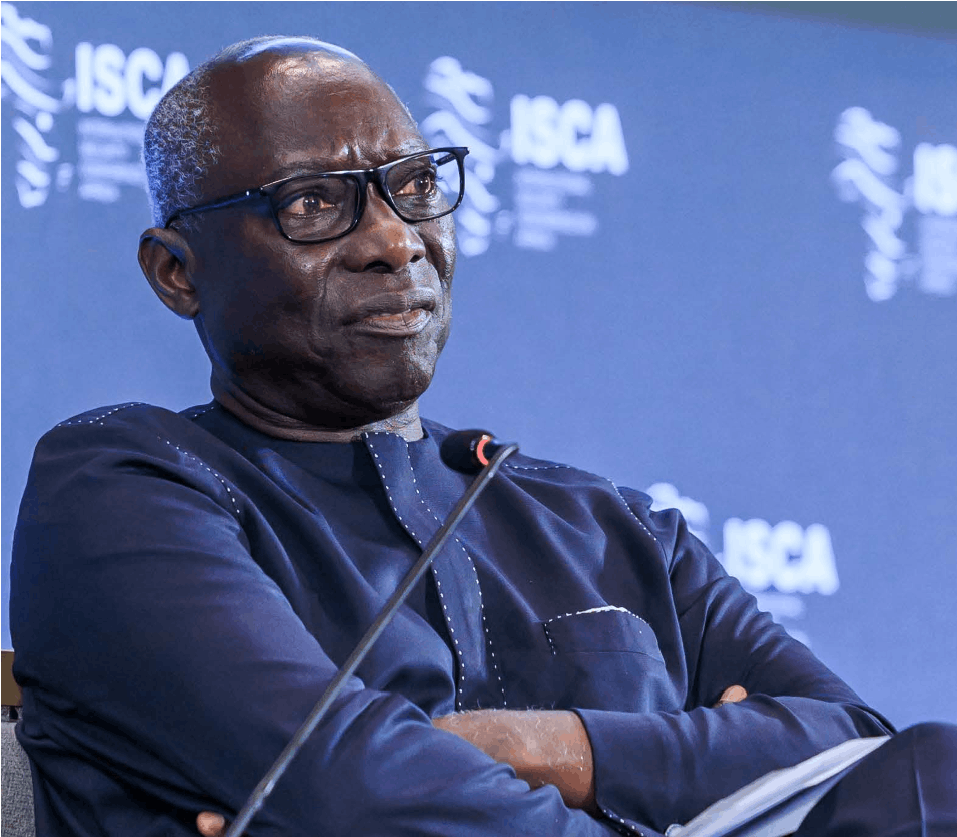
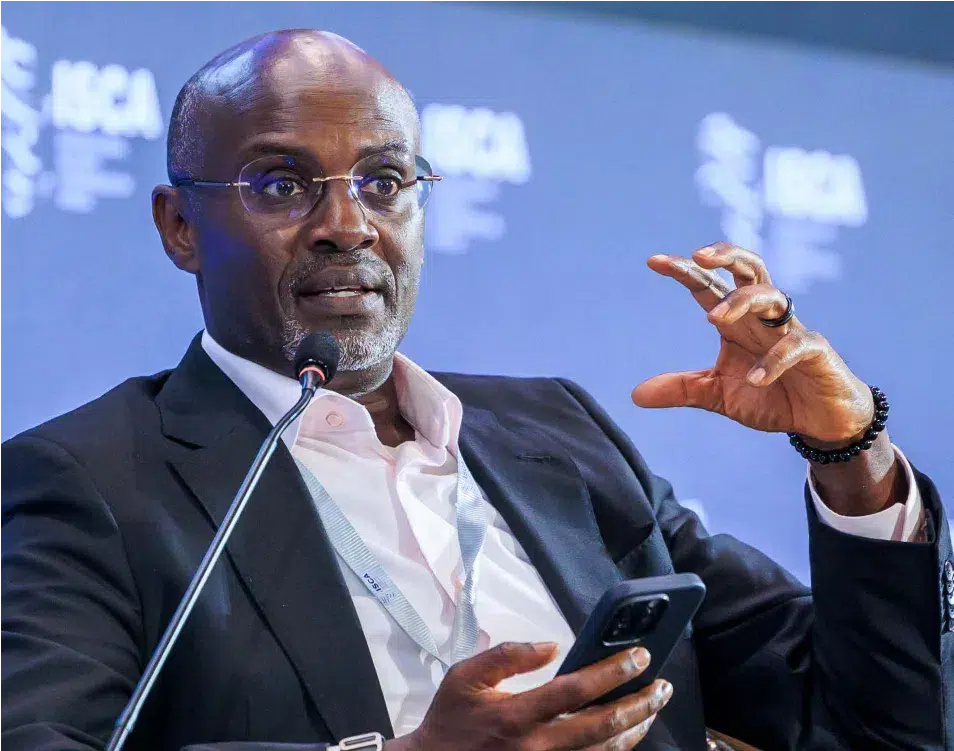
In their interaction with audience questions and further interventions, the panelists identified multiple obstacles and opportunities. On the institutional front, Dr. Okumu detailed both the promise and frustration of the African Union Border Programme, which aspired to transform borders from “barriers to bridges” by demarcating and rationalizing boundaries, promoting cross-border cooperation, and serving African, not external, agendas.
While progress was made, especially through the drafting of the AU convention on cross-border cooperation, political commitment waned, and foreign partners stepped in to fill the gap, further distancing African ownership from African realities. Okumu lamented that not only do African states rely on outsiders for re-demarcation and management of boundaries, but, in many cases, AU conventions remain unratified and unfunded, rendering institutional frameworks ineffective.
When considering solutions, Coulibaly, Dieng, and Okumu agreed that real progress lies in ownership—of narratives, of problems, and of solutions. Reconceptualizing identity from a fixed or ethnicized marker to a more fluid and inclusive register, as postulated for pan Africanism and Ubuntu, offers a basis for reframing citizenship and belonging. Language remains a powerful tool: the revalorization of indigenous languages like Swahili, Fulani, and Wolof, alongside efforts to reform the role of colonial languages in education and governance, was presented as both a practical and symbolic step toward decolonizing African minds and institutions.
Leadership, many panelists agreed, is critical. Political elites and intellectuals must avoid the temptation to instrumentalize ethnic or borderland identities for short-term gain and should instead cultivate inclusive national narratives, encourage participatory approaches to policy, and be willing to rethink boundaries when justified by population realities and aspirations.
Audience interventions highlighted the ongoing struggle for legitimacy and the challenge of building a sense of statehood and citizenship in territories and communities that have long experienced exclusion, suspicion, or outright violence from the state. The call for a shift from sovereignty imposed from above to sovereignty experienced and constructed from below resonated strongly, as did suggestions to leverage new technological and educational infrastructures to overcome practical impediments to mobility, integration, and local economic development.
In concluding remarks, the panel called for several concrete steps: an urgent restoration of the AU Border Programme within AU structures, expedited ratification and implementation of the cross-border cooperation convention, regular ministerial meetings to drive continental ownership, and a deliberate Africanization of border management protocols and narratives. They urged scholars, practitioners, and policymakers alike to engage in critical self-reflection, abandon self-disempowering paradigms, and cultivate an ethos of innovation, mutual respect, and pan-African solidarity.
The capacity for peaceful boundary adjustment, regional economic partnerships, and flexible integration models—when led by Africans for Africans—was presented as not only possible but historically necessary. Above all, panelists insisted that Africa’s borderlands, far from being spaces of perpetual crisis and marginalisation, offer rich laboratories for reimagining the future of the continent—a future founded on dignity, mutual recognition, and collective sovereignty.